Category: Citizenship Test

  • How to Find the Right Immigration Attorney for Asylum Cases

    Leaving your home behind is never easy. For people fleeing danger, war, or persecution, applying for asylum in the U.S. can feel like the only hope. But getting asylum isn’t simple. It takes more than courage. It requires evidence, deadlines and a deep understanding of U.S. immigration law.  

    That’s why finding the right Immigration Lawyer for Asylum is one of the most important steps you can take. A good lawyer will not only guide you through the legal process but they’ll also help you tell your story in the most powerful way.

    Let’s talk about how to find the right attorney for your asylum case what to look for and why it matters so much. 

    Why Finding the Right Asylum Lawyer Feels Like a Lifeline

    Applying for asylum? It is not just some paperwork like a visa. It is a heart pounding legal fight where everything you care about is on the line. You have got to show that going back home could mean danger to your life or freedom, all because of who you are- your race, your beliefs, your nationality, your politics or the group you are part of. That is a heavy load and it can feel like the world’s against you.

    But here is the thing. A compassionate, skilled asylum lawyer can be your rock. They get the law inside and out, know exactly what evidence will make your case strong and keep track of all those stressful deadlines. More than that they sit down with you, really listen to your story and feel the weight of your fears. They not just build a case but fight for your future with heart.

    Having the right lawyer by your side? It’s like the difference between finding a safe home or facing the fear of being sent back. You deserve someone who’s got your back.

    What Does an Asylum Lawyer Actually Do?

    Many people aren’t sure what immigration attorneys do during an asylum case. In short, they do a lot.

    1. They Review Your Case Honestly

    First, your lawyer will talk to you about your background and your situation. They will tell you if your case qualifies for asylum or if there are other options.

    2. They Help With the Paperwork

    U.S. immigration forms can be confusing. A small mistake can lead to delays or even denials. Your lawyer will help you complete and file Form I-589, the application for asylum and make sure everything is accurate.

    3. They Gather Supporting Documents

    You may need police reports, medical records or letters from people in your home country. Your lawyer will help you collect the right documents and explain why they matter.

    4. They Represent You in Court

    If your case goes before an immigration judge your attorney will speak for you. They will prepare you to answer questions and explain your fears clearly and truthfully.

    How To Find the Right Immigration Lawyer for Asylum?

    Now that you know why legal help matters let’s talk about how to find the right attorney for your situation.

    1. Look for Experience in Asylum Law

    Not all immigration attorneys focus on asylum. Some may work mainly on green cards, work visas, or business immigration. Make sure the lawyer you choose has real experience with asylum cases. Ask how many they’ve handled and what kinds of results they’ve seen.

    2. Ask About Cases Like Yours

    Every asylum case is different. A strong attorney should understand the challenges specific to your country, religion, gender identity, or political beliefs. Ask if they’ve worked with clients from your country or with similar claims.

    3. Pay Attention to How They Communicate

    Your attorney should explain things in a way that makes sense. You should never feel rushed or confused. A good Immigration Lawyer for Asylum will take the time to answer your questions clearly and honestly.

    4. Check for Transparency

    Before hiring anyone, ask about costs. Some lawyers charge flat fees, others charge by the hour. Make sure the payment plan is clear and fair. A trustworthy lawyer will always be upfront about fees and won’t pressure you into signing anything right away.

    5. Trust Your Instinct

    You should feel comfortable with your lawyer. You’re sharing personal and painful parts of your life. It’s important to feel that your attorney respects you and believes in your case.

    Red Flags to Avoid

    Just as there are signs of a good lawyer, there are signs of a bad one. Watch out for:

    • Guarantees: No lawyer can promise you will win. Be wary of anyone who does.
    • Lack of interest: If they don’t ask many questions or seem in a hurry, that’s a warning sign.
    • Poor communication: If they don’t return your calls or explain things clearly, look elsewhere.
    • No contract or unclear fees: Always get a written agreement and make sure you understand it.

    Where to Start Your Search

    There are a few places you can begin your search for a qualified immigration lawyer:

    Community Referrals

    If you live in an immigrant community like Port Chester, ask around. Someone you trust may already know a good attorney.

    Non-Profit Legal Services

    There are organizations that offer low-cost or free help to asylum seekers. These can be a good place to start if money is a concern.

    Online Lawyer Directories

    Websites like AILA.org let you search for immigration lawyers by area and practice focus.

    For other legal needs such as personal injury cases, firms like Cohen & Cohen have extensive experience serving clients in the Washington D.C. area.

    Why Genova Law May Be the Right Fit

    At Genova Law, we understand how hard this journey can be. Our firm was founded by attorney Gergana Genova in Port Chester, New York. A community built by immigrants from Central and South America. We are proud to be part of that community.

    We bring more than legal skill to the table. We bring compassion. We take time to listen, not just to the legal facts, but to the human story behind each case. We believe every client deserves respect, honesty and support.

    Whether you’re applying for asylum, facing removal, or seeking a path to permanent residency, we are here to help.

    To Sum It All Up

    The path to asylum can feel like climbing a mountain. It can be very scary and exhausting. But do not worry you do not have to do it solo at all. A caring, skilled asylum lawyer can be your partner, fighting for you with heart and EXPERTISE. Take your time, ask the tough questions and listen to your instincts. When you find the right lawyer it will feel like a weight lifted.

    Want someone who will treat your case like it is their own? Give Genova Law a call. We are here to walk with you every single step. 

  • How to Speed Up Immigration Process 

    Introduction

    Immigrating to a new country can be an exciting and life-changing experience, but it’s no secret that the immigration process can also be daunting and time-consuming. The paperwork, regulations, and wait times can make the process seem overwhelming, especially for those unfamiliar with the system.

    As an aspiring immigrant, you must understand the challenges you may encounter along the way, including language barriers, complicated application processes, and long waiting times for visa processing. 

    In this article, we’ll provide you with practical tips to help speed up the immigration process. Whether you’re applying for a work visa, permanent residency, or citizenship, our comprehensive guide will help you navigate the system easily. 

    Understanding How to Speed up Immigration Process 

    The immigration process involves four stages, starting with the application submission and ending with the decision on the application. The stages include:

    • Application Submission 
    • Background checks
    • Interview (if required)
    • Decision on the application

    Various government agencies are involved in the process, including the U.S. Citizenship and Immigration Services (USCIS), the Department of State, and U.S. Customs and Border Protection (CBP).

    There are various reasons why the immigration process may be delayed. Some of the most common reasons include the following:

    1. Incomplete or incorrect application: Please complete or correct the information to ensure the timely processing of your application.
    2. Background checks: Background checks can take a long time, especially if you have lived in several countries.
    3. Delays in processing times: Due to the high volume of applications received, processing times can be long.
    4. Requests for additional information: If the immigration officer requests additional information, it may cause delays if it is not provided on time.

    It’s essential to avoid these delays as much as possible to speed up the immigration process.

    Preparing Your Application

    Filling out your application completely and accurately is crucial to ensure that your application is processed efficiently. All information must be present to ensure the processing of your application is completed on time.

    Common mistakes people make on their applications include:

    • Misspelling their name or providing incorrect information about themselves
    • Providing incorrect or incomplete information about their work history
    • Failing to disclose any criminal history
    • Failing to disclose previous travel or residency in other countries

    To avoid these mistakes, take your time to read and understand the instructions before filling out the application. Double-check all the information you provide and make sure that it’s accurate.

    Organizing and presenting your supporting documentation can make the process easier for immigration officers. Here are some tips to help:

    • Group your documents by categories such as personal documents, financial documents, and employment documents.
    • Label each document with a brief description, such as “birth certificate” or “tax return.”
    • Provide translations for any documents that are not in English.
    • Create a table of contents for your supporting documents to help immigration officers locate the necessary information quickly.

    Choosing the Right Immigration Category

    There are various immigration categories, such as family-sponsored, employment-based, and humanitarian programs. Each category has eligibility requirements that applicants must meet to be considered for immigration.

    For example, family-sponsored categories require the applicant to have a qualifying family relationship with a U.S. citizen or a legal permanent resident. Employment-based categories require the applicant to have a job offer from a U.S. employer or have extraordinary ability in their field. Humanitarian programs, such as asylum or refugee status, require applicants to have a well-founded fear of persecution in their home country.

    To select the category that best fits your situation, consider your circumstances, such as your relationship with a U.S. citizen or employer. You may also want to consult with an immigration lawyer who can provide guidance and help you navigate the process. It’s essential to choose the right immigration category to ensure that you meet all the eligibility requirements and increase your chances of success.

    Hiring an Immigration Lawyer

    Hiring an immigration lawyer can provide numerous benefits, such as:

    • Expertise and knowledge of immigration laws and regulations
    • Assistance in completing and filing the necessary paperwork correctly and on time
    • Guidance in navigating the complex immigration process
    • Representation in court or at interviews
    • Protection of your legal rights

    When choosing an immigration lawyer, consider their experience, qualifications, and success rate. You can check their credentials on the American Bar Association’s website or consult with their previous clients for reviews. Understanding the legal process and your lawyer’s role is important to ensure you receive proper representation and support.

    Related: Immigration Interviews

    Keeping Up-to-Date with Your Application

    Checking the status of your application regularly is essential to ensure that it is processed smoothly and on time. By doing so, you can quickly identify any problems that may arise and take action to address them.

    When you submit your application, you will typically receive a confirmation notice or receipt letter from the relevant government agency. This document should contain important information such as the expected processing time, a unique identification number for your application, and instructions on how to check the status of your application.

    To stay up-to-date with your application, you can:

    1. Create an online account with the relevant government agency
    2. Sign up for email or text message alerts
    3. Contact the agency’s customer service hotline for updates
    4. Consult with your immigration lawyer for advice on the next steps
    5. Address any issues immediately to avoid further delays in the process.

    By staying up-to-date on your application’s status and taking swift action when necessary, you can help ensure that your application is processed as quickly and smoothly as possible.

    Responding to Requests from Immigration Officials

    It’s important to know that officials may ask you to provide additional information or clarification on certain aspects of your application. Here are some common types of requests that immigration officials may make:

    • Request for additional documentation to support your application
    • Request for an interview or meeting
    • Request for a medical exam
    • Request for a criminal background check

    If you receive a request from immigration officials, responding promptly and effectively is important. Here are some tips to help you do so:

    1. Read the request carefully: Make sure you understand exactly what is requested. If you’re unsure about anything, seek clarification from the immigration official.
    1. Respond promptly: Immigration officials typically provide a deadline by which you must respond to their request. It’s important to meet this deadline or request an extension if necessary.
    1. Provide all requested information: Ensure you provide all the information the immigration official has requested. If you cannot provide certain information, explain why and provide any alternative information that may be relevant.
    1. Be honest: It’s important to be honest, and upfront with immigration officials. If any issues or concerns may impact your application, be sure to disclose them.
    1. Seek help if needed: If you’re unsure about how to respond to a requester or have difficulty finding necessary information, consider seeking the help of an immigration lawyer. They can provide guidance and support throughout the process.

    Summary – How to Speed Up Immigration Process 

    The immigration process can be challenging, and delays can occur due to incomplete applications or background checks. Therefore, it is important to understand the immigration process and choose the right immigration category.

    It is essential to follow the tips provided to speed up the immigration process, such as filling out the application accurately and organizing the supporting documentation. Moreover, staying up-to-date on the status of your application and responding to any requests from immigration officials is also crucial.

    You can hire a qualified immigration lawyer to help you with your application, and by following the tips provided, you can increase your chances of a successful immigration process.

    Do You Need to Talk to an Immigration Attorney About How to Speed Up Your Immigration Process? 

    You can reach out to a skilled immigration lawyer through us. Set up a consultation by dialing 914-481-8822. Our proficient attorney will address your concerns and offer legal advice to speed up your immigration process.

  • The U.S. Citizenship Test, Explained

    The U.S. Citizenship Test, Explained

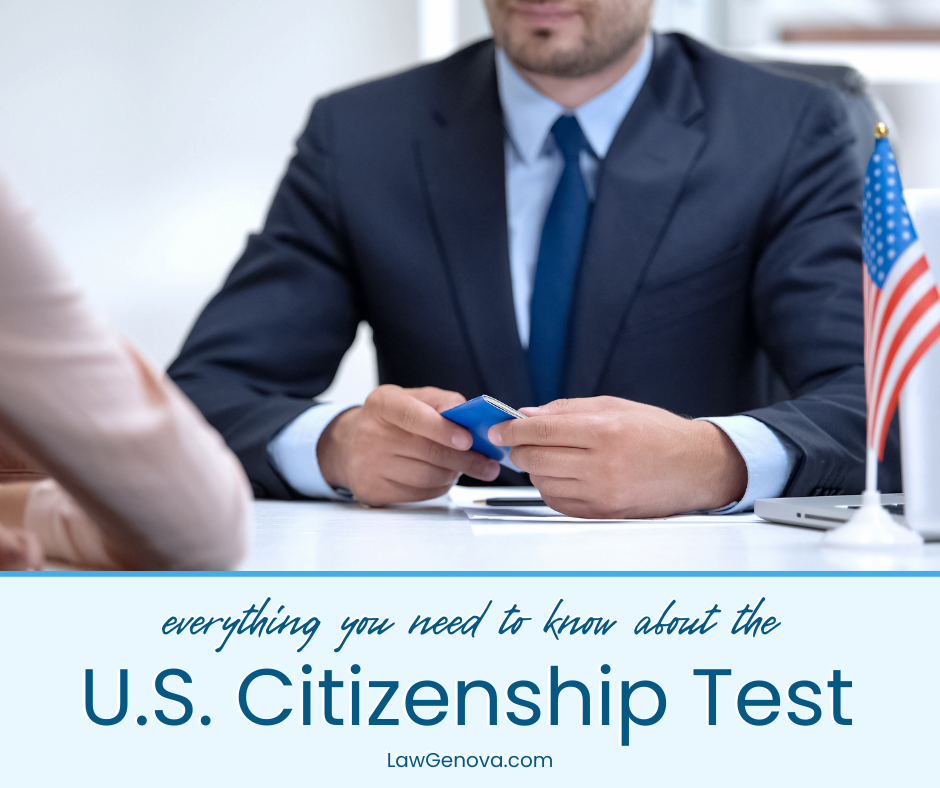
    If you’re like many people, you know that part of the naturalization process is taking the citizenship test. But what’s on the test, how hard is it, and what happens if you fail? This guide explains everything you need to know about the U.S. citizenship test (and what happens after you take it).

    The U.S. Citizenship Test, Explained

    Nearly everyone who wants to become a naturalized U.S. citizen must take the citizenship test. There are a few exceptions, but for the most part, you can expect to take the test during your naturalization interview.

    What is the U.S. Citizenship Test?

    Sometimes called the naturalization test, the U.S. citizenship test is a test that just about everyone who wants to become a United States citizen must take. The test covers your knowledge of civics and the English language, and it involves speaking, reading and writing.

    Though many people expect to sit at a desk, pull out a pencil and begin testing, that’s not exactly how this test works. Instead, it’s a built-in part of your naturalization interview.

    English

    The English part of the U.S. citizenship test involves:

    • Speaking. During your interview, the U.S. Citizenship and Immigration Services (USCIS) officer who interviews you will evaluate how well you speak and understand English.
    • Reading. The USCIS official interviewing you will ask you to read a sentence written in English. You must read one out of three sentences correctly to show the USCIS official that your English-reading skills are sufficient.
    • Writing. your USCIS official will ask you to write a sentence to show that you can write in English. You must write one of three sentences correctly.

    Note: If you read and write the first sentence correctly, you won’t have to read or write the other two.

    Civics

    The civics portion of the citizenship test covers a variety of questions on U.S. history and how the government works. You may also be asked questions about rights, responsibilities and other aspects of United States citizenship.

    Questions and Answers on the U.S. Citizenship Test - Naturalization Test Study Guide

    Questions and Answers on the Citizenship Test

    You don’t have to guess at what questions you’ll face during your immigration interview and citizenship test period in fact, USCIS has a complete list of the questions that an immigration officer may ask you on its website. (It provides the answers, too, which makes studying a lot easier!) You can access the list here, but here’s a sampling of some of the questions USCIS may ask you:

    • What is the supreme law of the land? (Answer: The Constitution.)
    • How many amendments does the Constitution have? (Answer: 27.)
    • Name one branch or part of the government. (Answer: Congress, President, the courts, the legislative branch, the executive branch or the judicial branch.)
    • What is the highest court in the United States? (Answer: The Supreme Court.)
    • What is the capital of your state? (The capital of New York is Albany, but your answer may vary based on where you live.)
    • Name one right only for United States citizens? (Answer: To vote in a federal election or to run for federal office.)
    • When was the Declaration of Independence adopted? (Answer: July 4, 1776.)

    The complete list of possible questions is available on USCIS’s website. You may print them and use them as a study guide. USCIS officials won’t ask you test questions that aren’t on that list. (But remember, you take the test as part of your naturalization interview. That means the USCIS officer conducting your interview will most likely ask you questions about your application. They may also ask you questions on other topics that aren’t part of the citizenship test.)

    How Many Questions Does USCIS Ask You?

    The USCIS official conducting your citizenship will ask you up to ten questions. You must get six of them right. Typically, as soon as you get six correct answers, the questions stop – there’s no need to keep asking, because you only need six to pass.

    It’s okay if the USCIS officer needs to ask you all ten questions. Don’t stress yourself out over it if that happens to you – you’re allowed to get four of the questions wrong.

    What Happens if You Fail the U.S. Citizenship Test?

    If you fail either part of the citizenship test – the English or civics portion – it’s not the end of the world. You can retake the failed portions. However, you can only fail the test twice. If you fail twice, USCIS will deny your naturalization application. That means you need to reapply for naturalization, starting at square one.

    Exemptions and Exceptions for the U.S. Citizenship Test - 50-20 and 55-15 Exceptions

    Exemptions and Exceptions for the U.S. Citizenship Test

    Though most people are required to take the citizenship test, some people are exempt. That means they don’t have to take the test (or a part of the test) at all. Other people have exceptions, such as being allowed to use an interpreter.

    English Language Exemptions

    You don’t have to take the English part of the citizenship test if:

    • You’re age 50 or older at the time you file your naturalization application and you’ve continuously lived in the U.S. with a green card for 20 years or more. This is sometimes called the 50/20 exception.
    • You’re age 55 or older at the time you file your naturalization application and you’ve continuously lived in the U.S. with a green card for 15 years or more. This is sometimes called the 55/15 exception.

    Even if you qualify for one of these exceptions, you still have to take the civics portion of the test. But if you’re not too confident in your English-language skills, it’s okay. You may take the test in your native language, provided that you bring an interpreter with you to your interview. Your interpreter must be fluent in your native language and in English.

    Note: If you’re age 65 or older at the time you file your application, and if you’ve been a green card-holder for at least 20 years, you get special consideration on the civics part of the test. You’re also allowed to bring a qualified interpreter with you to your interview. This is sometimes called the 65/20 exemption.

    Exceptions for Medical Disabilities

    If you can’t take the English or civics portion of the U.S. citizenship test because you have a medical disability, USCIS can give you an exception. Your doctor needs to fill out a specific form that explains why you can’t take the test. After your doctor completes the form, your attorney will file it with your naturalization application.

    Note: Only a licensed medical or osteopathic doctor, or a licensed clinical psychologist, can fill out the disability exception form.

    Accommodations for Disabilities

    The U.S. government requires USCIS to provide accommodations or modifications to people with disabilities. If you have a disability that makes it difficult for you to take one or both portions of the citizenship test (or to otherwise participate in the naturalization process), USCIS can make adjustments for you. You should discuss these issues with your attorney so that she can list them in the appropriate place on your naturalization application.

    Quick Reference Guide for Exemptions and Exceptions

    Exceptions or Exemptions English Civics
    Age 50 or older, if you have resided in the U.S. as a lawful permanent resident (green card-holder) for at least 20 years at the time you file your application You are exempt from this part of the test. You must pass this part of the test. However, you may take it in your language of choice using an interpreter.
    Age 55 or older, if you have resided in the U.S. as a lawful permanent resident (green card-holder) for at least 15 years at the time you file your application You are exempt from this part of the test. You must pass this part of the test. However, you may take it in your language of choice using an interpreter.
    Age 65 or older, if you have resided in the U.S. as a lawful permanent resident (green card-holder) for at least 20 years at the time you file your application You are exempt from this part of the test. You must pass this part of the test, but USCIS officers are authorized to administer specially designated test forms. You may take this part of the test in your language of choice using an interpreter.
    Medical disabilities You may be exempt from this part of the test, or USCIS may have to provide special accommodations so you can take it. You may be exempt from this part of the test, or USCIS may have to provide special accommodations so you can take it.

    Other Issues at Your Naturalization Interview

    The U.S. citizenship test is only part of your naturalization interview. The USCIS official conducting your interview will most likely talk to you about your application and ask you other questions that aren’t related to the test. Some of the questions may involve how attached you are to the principles and ideals in the U.S. Constitution, where you live and the answers you provided on your naturalization application.

    The naturalization interview is nearly your last stop on the path to citizenship. After you complete your interview and pass your citizenship test, USCIS will schedule your Oath of Allegiance. You must fill out Form N-445 before you show up to take the oath. This form contains questions about whether your circumstances have changed (such as whether you’ve been married or divorced, traveled outside the U.S., or been arrested).

    Most people take the Oath of Allegiance during a ceremony at the same USCIS field office where they interviewed. Before that ceremony takes place, USCIS will collect your green card; then, an official will review your answers on Form N-445. Then, you’ll take the Oath of Allegiance to the United States and receive your naturalization certificate. At that point, you’re officially a U.S. citizen, and you don’t have to take any more tests or file any more applications. You can simply start enjoying the new rights and responsibilities that come with U.S. citizenship.

    Do You Need to Talk to an Immigration Attorney About Citizenship?

    If you need to talk to an immigration attorney about getting naturalized citizenship in the United States, we may be able to help you. Call our office at 914-481-8822 to schedule a consultation with an experienced, knowledgeable immigration attorney who can answer your questions and give you the legal advice you need.