Have you tried reading through USCIS forms but found yourself completely lost midway? Don’t feel discouraged: immigration paperwork can often feel complex and daunting when your future in America depends on getting every aspect right – that is why many families and professionals in Westchester NYC seek guidance and peace of mind from an experienced immigration attorney in Westchester NYC for guidance and peace of mind.
An immigration attorney in NYC does more than file documents. An attorney can help you understand your options, set forth timelines clearly, and be at your side throughout the application process for visa, green card, work authorization, or citizenship applications. By having someone familiar with the system by your side every step of the way, your journey becomes less daunting.
1. You Get Clear Guidance Through Complex Immigration Laws
Immigration law changes often. Policies shift. Requirements update. What worked last year may not apply today. A local immigration lawyer Westchester NYC stays informed so you do not have to constantly research legal updates. They explain how the law applies to your situation in a way that makes sense to you.
2. Your Paperwork Is Accurate and Complete
Immigration forms require precision. Missing signatures, incorrect dates, or incomplete evidence can delay your case. Animmigration attorney NYC reviews every detail before submission. That extra review can prevent months of unnecessary waiting.
3. You Receive a Strategy Built Around Your Situation
Every immigration story is different. Your background, goals, and immigration history matter. An attorney understands your individual case requirements, providing tailored guidance that applies specifically. They don’t provide generic advice that might not apply in all circumstances.
4. Your Chances of Approval Improve
Officers examining applications are searching for substantiation and continuity of information provided to support the given case. An experienced immigration lawyer in Westchester, New York, understands which documents will help to enhance one’s family based immigration case and can aid the applicant in preparing a convincing application as required by USCIS.
5. You Avoid Costly Delays
Requests for Evidence can slow your case significantly. When filings are thorough from the start, you reduce the risk of receiving these notices. If one does arrive, your immigration attorney NYC responds quickly and accurately to keep things moving.
6. You Benefit From Local Experience
Immigration lawyers working in Westchester and NYC understand local USCIS offices and procedures. They know how interviews are typically conducted and what officers may focus on. That local familiarity helps you feel more prepared on important days.
7. You Feel Less Overwhelmed
Immigration is not only a legal process. It is emotional. An unexpected family crisis has an adverse impact on family, work, and financial matters – having an attorney handle communication, filings, and follow-ups allows you to focus on living life rather than worrying about paperwork issues 24/7.
8. You Get Help With Complicated Situations
Complex applications arising from visa overstays, denials, or changes of status require legal expertise for processing. A skilled immigration lawyer Westchester NYC will identify risks early and assist in mitigating them effectively.
9. You Have Representation If Problems Arise
If your case has been denied or postponed, an immigration attorney in NYC can guide you through appeals, motions to reopen, and other legal avenues – having someone advocating on your behalf makes all the difference in outcome.
10. You Protect Yourself From Misinformation
Immigration scams and unlicensed consultants have unfortunately become all too prevalent, which makes hiring an immigration attorney NYC licensed with USCIS the only sure way of protecting both your rights and future prospects. Hiring such professionals can protect both rights and opportunities alike.
Frequently Asked Questions
Do I legally require an immigration lawyer? No, but having one reduces errors and improves clarity in complex cases.
Can a lawyer speed up my immigration case? They cannot control government timelines, but they help prevent delays caused by mistakes.
What if my application was already denied? A lawyer reviews the denial and explains your options, including appeals or refiling.
Will my attorney attend the immigration interview with me? Yes, in many cases your immigration attorney NYC can attend and prepare you beforehand.
How do I choose the right immigration lawyer in Westchester NYC? Search for experience, effective communication skills, and an in-depth knowledge of your particular case type.
Building Your Future With the Right Legal Support
Immigration decisions have the power to alter your future in various ways – career goals and family stability being top of mind here. Consulting an experienced Westchester NYC immigration attorney provides essential structure, preparation, and advice at every turn. An experienced immigration attorney NYC can help you avoid costly errors and move forward confidently with confidence. Genova Law stands ready to provide personalized legal guidance tailored specifically for your unique circumstances – call them now to take the next step forward with us!
Moving to America with your partner is exciting, but the immigration forms and rules can become a lot to handle quickly. A lot of couples don’t know that small errors at the beginning can slow things down for months or cause serious problems later. The forms, deadlines, and legal requirements get confusing without someone to guide you.
This blog talks about why getting a marriage visa lawyerright from the start makes things easier and less stressful. You’ll feel more confident through the whole process. There are so many details to keep track of picking the right visa and getting all your documents ready correctly. A lawyer spots little errors before they become serious issues. When you have good help, you can focus on being together instead of stressing over paperwork and due dates.
1. Expert Knowledge of Immigration Laws
Immigration regulations change constantly. Sometimes there are major policy shifts that completely alter how applications get processed. When you hire the right lawyer from the start, you’re buying access to someone whose professional life revolves around tracking these changes. They read the policy memos, know which offices process things differently, and understand the unwritten rules.
2. Proper Visa Category Selection
Most people don’t realize there are options with marriage-based immigration. There’s the K-1 visa if you’re engaged, the CR-1 and IR-1 visas if already married, and adjustment of status if your spouse is already here. An immigration lawyer for marriage green card situations looks at your circumstances and tells you which route makes sense. Pick wrong and you’re adding a year to your wait.
3.Complete and Accurate Documentation
USCIS wants evidence of your relationship. Joint bank accounts, lease agreements, photos, plane tickets, chat logs, and sworn statements. A marriage visa lawyer knows exactly what makes immigration officers comfortable. They help you build a narrative where every piece supports the others without weird gaps.
Avoiding Common Application Mistakes
Someone checks the wrong box. Someone forgets to sign page 7. Someone submits a birth certificate that wasn’t properly translated. When an immigration lawyer for marriage green cards reviews everything before submission, these problems get caught.
Faster Processing Times
There’s a huge difference between applications that sail through versus ones that get bogged down. Your marriage visa lawyer makes sure forms are current, evidence meets standards, and everything’s included so USCIS doesn’t come back asking for more.
Protection Against Fraud and Scams
Scammers are drawn to the immigration world. Unlicensed “consultants” who promise quick approvals, “notarios” who take your money and run, and people who say they have connections inside. You are protected by professional standards when you hire a licensed immigration lawyer to help you get a marriage green card. Real lawyers providing immigration legal services have malpractice insurance and can lose their license for fraud.
Dealing with Difficult Situations
Maybe you overstayed a visa years back, there’s something on your criminal record, one of you got divorced twice before, or there’s a big age difference between you two. A lawyer who works with marriage visas understands what immigration officers worry about. They know how to gather proof that puts those concerns to rest.
Professional Response to RFEs
Once USCIS asks for more evidence, you’re on a deadline. Miss it or send the wrong documents, and they’ll reject your case. Your lawyer figures out exactly what USCIS is looking for and puts together a response that answers all their questions.
Legal Representation if Problems Arise
Things go wrong sometimes. Applications get denied. Interviews don’t go well. When you already have an immigration lawyer for spouses who knows your case, you’re not scrambling to find representation after disaster strikes. They can immediately start working on appeals.
Peace of Mind Throughout the Process
Immigration stress destroys relationships. You’re constantly worried, second-guessing decisions, and losing sleep. When professionals handle the legal mechanics, you can focus on your relationship instead of spending weekends buried in paperwork.
Frequently Asked Questions
Q: How much does it cost to hire a lawyer who helps with marriage visas?
Most attorneys work on flat fees, usually several thousand dollars depending on complexity. That seems expensive until you consider what happens if your case gets denied and you start over or if problems create immigration issues that follow you.
Q: When is the best time to hire a lawyer for a marriage visa?
Before you submit anything official. Once paperwork is filed, your options narrow. Early consultation means starting on the right path rather than course-correcting later.
Q: Can I file the marriage visa application myself?
Forms are publicly available. But immigration law is complex, unforgiving of mistakes, and constantly changing. Some people successfully self-file, usually those with straightforward cases and research time.
Q: What happens if my application is denied?
Depends on why you got denied. Sometimes appeals are possible, sometimes you reapply with better evidence, and sometimes waivers are available. Understanding what went wrong and what options exist requires immigration law expertise.
Start Your Journey with Professional Support
When people are already worried about money and immigration, they do not want to pay a lot of money for fees. However, it is a good idea to think about getting help from a professionalimmigration lawyer for spousesat the start. This is because it usually costs less to get help at the beginning than it does to fix problems later on. Sometimes those problems cannot even be fixed. Some mistakes can cause problems that last for years or can even prevent someone from entering a country. An immigration lawyer who specializes in marriage visas does a lot more than just fill out forms for people. They provide help with the immigration process for spouses. A professional immigration lawyer for spouses can make a difference in the immigration process. They bring specialized knowledge, navigate a confusing system, and are in your corner when dealing with a government agency that has enormous power over your family’s future. That’s worth considering before going it alone.
Bezpieczne gry online z bonusami na Vavada w 2026 roku
Bezpieczne gry online z bonusami Vavada 2026
Wybór odpowiedniego miejsca do zakładów online to klucz do udanej zabawy oraz zysków. W 2026 roku warto zwrócić uwagę na renomowane platformy, które oferują korzystne warunki dla graczy. W szczególności, warto zainteresować się serwisem vavada com, który wyróżnia się atrakcyjnymi ofertami i bezpieczeństwem transakcji.
Również konfiguracja konta jest niezwykle intuicyjna, co sprawia, że nawet nowi gracze szybko odnajdą się w serwisie. Wiele dostępnych gier, od automatycznych maszyn po tabele do pokera, zapewnia szeroki wachlarz opcji zabawy. Nie zapominaj o aktywowaniu promocji, które mogą znacząco zwiększyć Twój budżet na granie.
Bezpieczeństwo jest priorytetem, dlatego każda transakcja przeprowadzana na platformie jest chroniona najnowszymi technologiami szyfrowania. Dzięki temu możesz cieszyć się różnorodnością gier, mając pewność, że Twoje dane osobowe są w pełni zabezpieczone. Sprawdzaj regularnie dostępne oferty, aby nie przegapić wyjątkowych szans na wygraną.
Jak wybrać bezpieczną grę online na Vavada?
Wybierając platformę do gier, kluczowe jest sprawdzenie jej licencji. Upewnij się, że operator dysponuje odpowiednimi zezwoleniami, co daje gwarancję, że spełnia określone normy bezpieczeństwa i regulacje prawne. Licencja wydana przez organ licencyjny to symbol wiarygodności.
Analiza oprogramowania
Postaw na witryny, które korzystają z renomowanych dostawców oprogramowania. Wysokiej jakości platformy współpracują z uznanymi firmami, co przekłada się na bardziej transparentne i rzetelne doświadczenie gracza. Zobacz, jakie studia dostarczają gry oferowane na danej stronie.
Opinie i recenzje graczy
Twój wybór powinien być oparty na opiniach innych. Przeczytaj recenzje i komentarze graczy, aby dowiedzieć się, jakie doświadczenia mają z danym miejscem. Osoby, które już grały, mogą dostarczyć cennych informacji na temat uczciwości i jakości obsługi klienta.
Przeanalizuj dostępne metody płatności. Bezpieczne transakcje to fundament każdej platformy. Sprawdź, czy oferowane są popularne metody płatności oraz jakie zabezpieczenia stosowane są do ochrony danych osobowych i finansowych graczy. Ważne, aby wybrana metoda była zgodna z Twoimi oczekiwaniami.
Nie zapomnij również o analizie oferty promocji. Upewnij się, że warunki bonusów są jasne i klarowne. Sprawdź, jakie zasady obowiązują przy wypłacie wygranych oraz jakie wymagania dotyczące obrotu są stawiane przed graczami.
Na zakończenie, ważne jest, aby platforma oferowała wsparcie klienta na wysokim poziomie. Sprawdź, w jaki sposób można skontaktować się z obsługą oraz jakie są dostępne kanały komunikacyjne. Szybka i pomocna reakcja obsługi zwiększa komfort i poczucie bezpieczeństwa podczas rozgrywki.
Rodzaje bonusów oferowanych przez Vavada w 2026 roku
Wśród atrakcji, które przyciągają graczy, walki o korzystne oferty są na czołowej pozycji. Vavada zapewnia wiele typów promocji, które mogą znacząco wpłynąć na doświadczenia użytkowników. Najpopularniejszym rodzajem wsparcia są bonusy powitalne, które ułatwiają start wszystkim nowym graczom. Oferują one zazwyczaj znaczny dodatek do pierwszej wpłaty, co tłumaczy ich ogromną popularność.
Kolejnym interesującym rozwiązaniem są promocje lojalnościowe. Programy te są zaprojektowane w celu nagradzania stałych klientów. W praktyce oznacza to przyznawanie punktów za codzienne aktywności, które można wymieniać na nagrody. Często pojawiają się również wydarzenia ograniczone czasowo, w których udział oferuje dodatkowe korzyści, takie jak darmowe spiny lub gotówkę do obrotu.
Bonusy bez depozytu: Idealne dla graczy, którzy chcą przetestować platformę bez ryzykowania własnych środków.
Cashback: Regularne zwroty części przegranych pieniędzy, co poprawia komfort gry.
Darmowe spiny: Umożliwiają graczom wypróbowanie popularnych automatów w atrakcyjny sposób.
Bonusy sezonowe też zasługują na uwagę, ponieważ są dostosowane do wiążących się z nimi wydarzeń lub świąt. Gracze mogą zyskać wyjątkowe promocje w takich okresach jak Nowy Rok czy inne jubileusze, co czyni rozrywkę jeszcze bardziej ekscytującą. Warto być na bieżąco z aktualnościami, aby nie przegapić tych ofert.
W szczególności, strategia wykorzystania bonusów wpływa na ostateczną efektywność korzystania z oferty serwisu. Dzięki różnorodności dostępnych promocji, każdy może dostosować swoje podejście do własnych preferencji. Dlatego warto regularnie sprawdzać dostępne opcje i maksymalizować potencjalne zyski.
Изучая предлагаемые условия, настоятельно рекомендую обратить внимание на преимущества, которые открывают перед пользователями симуляторы с возможностью выигрыша. Яркая графика, разнообразие тем и высокий процент возврата игроку делают эти развлечения не только увлекательными, но и прибыльными.
Важнейшей частью платформы являются именно поощрительные предложения, которые помогают значительно увеличить шансы на успех. Надежные веб-ресурсы предоставляют щедрые акции, включая бесплатные вращения и специальные клубные программы. Например, активировав vavada зеркало, вы можете воспользоваться выгодными условиями и отличными наградами.
Советуем внимательно ознакомиться с условиями каждой акции, а также следить за новыми предложениями, которые регулярно обновляются. Это позволит не упустить уникальные шансы и эффективно планировать свой игровой бюджет.
Разнообразие игровых автоматов: от классики до новинок
Современные платформы предлагают богатый выбор, включая классические слоты с 3 барабанами и свежие новинки с 5 и более линиями выплат. Если хотите насладиться знакомыми символами, обратите внимание на традиционные игры, такие как “Крошечные фрутчики” или “Доллары Барабана”.
Для любителей оригинального контента актуальны новейшие разработки с уникальными механиками, такими как Megaways или Avalanche. Эти новинки предоставляют возможность значительно увеличивать выигрыши за счет множества комбинированных линий.
Топ-5 классических слотов
Название
Количество линий выплат
Минимальная ставка
Классика фруктов
1
10 руб.
Золотая семерка
1
5 руб.
Барная тройка
1
1 руб.
Доллары Барабана
9
2 руб.
Древние символы
5
20 руб.
Инновационные проекты шагнули дальше, предлагая слоты с интерактивными сюжетами и бонусными раундами. Интересно, что многие из них базируются на известных кинофильмах и сериалах, что добавляет элемент развлечения в процесс игры.
Тем, кто предпочитает риск, подойдут автоматы с прогрессивным джекпотом. Таких игр много, и они предлагают возможность выиграть внушительные суммы за относительно небольшую ставку. Проверьте игры вроде “Мегадоллары” или “Золотой шанс”.
Новые игры 2026 года
Название
Главная тема
Бонусы
Фантастический квест
Приключения
Бесплатные вращения
Древние реликвии
История
Выбор эксперта
Волшебные миры
Фэнтези
Секретная миссия
Приключения пиратов
Море
Бочку с бонусом
Город теней
Случайные события
Удвоение выигрыша
Постоянные обновления ассортимента обеспечивают разнообразие, а возможность посмотреть рейтинг популярных игр поможет выбрать то, что заинтересует больше всего. Всегда есть возможность попробовать новинки в демо-режиме, чтобы оценить их перед ставками на реальные деньги.
Типы бонусов в казино Vavada: как получить максимальную выгоду
Дополнительные предложения, такие как кешбэк и еженедельные акции, также принесут пользу. Рекомендуется участвовать в программе лояльности, так как за активность начисляются баллы, которые можно обменять на реальные деньги. Не забывайте следить за специальными акциями к праздникам – они могут предложить щедрые вознаграждения для игроков. Важно регулярно проверять сайт или подписаться на новости, чтобы не упустить выгодные предложения.
Советы по выбору игровых автоматов для увеличения шансов на выигрыш
Выбирайте слоты с высокой отдачей. Поищите игры с процентом возврата игроку (RTP) не ниже 95%. Это позволит увеличить ваши шансы на успех в долгосрочной перспективе.
Изучение волатильности
Обратите внимание на уровень волатильности, обозначающий риск игры. Высоковолатильные машины могут предложить крупные выигрыши, но реже. Низковолатильные варианты дают частые, но меньшие выигрыши. Подберите тип в зависимости от вашего стиля игры.
Используйте демо-режим для тестирования. Многие платформы предоставляют возможность ознакомиться с играми бесплатно. Это отличный способ понять механизмы и выбрать предстоящие ставки.
Применение стратегий управления банкроллом
Определите заранее сумму, которую готовы вложить. Это поможет избежать излишних потерь и сделает игру более контролируемой. Разделите банкролл на несколько сессий, чтобы продлить удовольствие от процесса.
Следите за акциями и предложениями. Часто бывают специальные события или турнирные игры, где шансы на выигрыш могут ощутимо возрасти благодаря дополнительным призам или повышенным RTP.
Изучайте отзывы сообщества. Оценки других игроков могут дать представление о наиболее выгодных слотах и помочь избежать разочарований. Присоединяйтесь к форумам, где делятся своим опытом.
Используйте временные ограничения. Установите таймер, который будет напоминать вам о времени, проведенном за игрой. Это позволит не заигрываться и трезво оценивать ситуацию, особенно если удача вдруг не на вашей стороне.
Naturalization and U.S military service may be one of the easiest ways to acquire citizenship. It is the process of obtaining citizenship in a country for those who were not born there. This means that an individual who is not a citizen of the United States can become a citizen through naturalization.
There are several benefits to naturalizing and becoming a citizen of the United States. These benefits include the right to vote, ability to apply for government jobs, and access to federal benefits and programs. Naturalized citizens also can sponsor family members for immigration and have greater protection under U.S. law. Additionally, naturalized citizens cannot be deported from the United States unless they engage in certain criminal activities or violate their citizenship status.
Naturalization offers many important benefits that enhance the lives of individuals and their families. It also provides them with a sense of belonging and security in their new country.
Overview of Naturalization and U.S. Military Service
The naturalization process for military personnel is a specific program that allows current or former U.S. armed forces members to become United States citizens. This program offers a faster and easier path to citizenship for military personnel who have served and protected the country.
Requirements for Naturalization Through the Military Service
To be eligible for naturalization through military service, you must be a current or former member of the U.S. armed forces. You must also meet other eligibility requirements, such as being a permanent resident of the United States and having served in an active-duty capacity during a designated period of conflict. In addition, you must have served in the U.S. armed forces for at least one year. You must have served honorably, with no disciplinary actions or dishonorable discharges.
Naturalization Process for Military Personnel
To apply for naturalization through military service, you must complete and submit Form N-400, the Application for Naturalization. You must also provide supporting documents, such as your permanent resident card and discharge papers from the military.
There is a fee to file the naturalization application. After submitting your naturalization application, you will be scheduled for an interview with a USCIS officer. During the interview, you will be tested on your English and U.S. history and government knowledge. You must pass these tests to be eligible for naturalization through military service.
Fast-track Naturalization for Military Personnel
The naturalization process for military personnel is fast-track, and it typically takes less time to complete than the standard naturalization process. This is because the USCIS recognizes the sacrifices and service of military members. They also strive to provide them with the rights and benefits of citizenship as quickly as possible.
Eligibility for Naturalization Through Military Service
To be eligible for naturalization through military service, you must meet the qualifications for military personnel outlined below. You must have served in the U.S. armed forces for at least one year and received an honorable discharge from the military. If you have a discharge other than honorable, you may still be eligible for naturalization, but you must first seek a waiver from the USCIS.
Naturalization through military service is a valuable opportunity for military personnel to gain citizenship in the United States. The process can be complex, but it is worth it for the rights and benefits of being a U.S. citizen. If you are a current or former military member, it is important to understand the requirements and steps involved in the naturalization process. They are as follows:
Military Personnel Qualifications:
To be eligible for naturalization through military service, you must be a current or former member of the U.S. armed forces. You must also meet other eligibility requirements, such as being a permanent resident of the United States and having served in an active-duty capacity during a designated period of conflict.
Time Requirements for Military Service:
To qualify for naturalization through military service, you must have served in the U.S. armed forces for at least one year. You must also have served honorably, with no disciplinary actions or dishonorable discharges.
Discharge Requirements for Military Service:
To be eligible for naturalization through military service, you must have received an honorable discharge from the U.S. armed forces. If you have a discharge other than honorable, you may still be eligible for naturalization, but you must seek a waiver from the U.S. Citizenship and Immigration Services (USCIS).
Application Process for Naturalization through Military Service
To apply for naturalization through military service, you must follow the steps outlined below:
Required Forms and Documents:
The first step in the application process is to gather the required forms and documents. You will need to complete Form N-400, the Application for Naturalization, and provide supporting documents such as your permanent resident card, military discharge papers, and other relevant documents. Make sure to fill out the form accurately and completely and provide all required supporting documents.
Application Fees:
The next step is to pay the application fee, which is currently $725 and is subject to change. The fee must be paid through a money order, personal check, or credit card. You may be eligible for a fee waiver if you cannot afford the fee.
Processing Time for Naturalization Applications:
After submitting your naturalization application, the USCIS will review your application and schedule you for an interview. The processing time for naturalization applications varies, but the naturalization process for military personnel is typically faster than the standard naturalization process.
Interview and Testing Requirements:
During your interview with a USCIS officer, you will be tested on your knowledge of English, U.S. history, and government. You must pass these tests to be eligible for naturalization. The USCIS officer will also ask questions about your background and military service. Make sure to be prepared for the interview and to answer questions truthfully and accurately.
The application process for naturalization through military service is straightforward, but it is important to follow the steps carefully and accurately. Gather all required forms and documents, pay the application fee, and prepare for the interview and testing requirements. If you have any questions or concerns, it is recommended to seek the help of a qualified immigration attorney or representative.
Importance of Naturalization through Military Service
Naturalization through military service is an important and valuable path for military personnel to become U.S. citizens. Here are several reasons why:
Recognition of Service: Naturalization through military service is a way to recognize and honor the sacrifices that military personnel have made to defend the United States. By becoming U.S. citizens, military personnel show their commitment to the country they have served and their loyalty to the nation they call home.
Access to Benefits: U.S. citizenship brings several benefits, including the right to vote, travel with a U.S. passport, and eligibility for certain federal jobs. Naturalization through military service provides military personnel with access to these benefits, allowing them to fully participate in American society and enjoy the protections and freedoms of U.S. citizenship.
Protection in Times of Crisis: In times of war or other national emergencies, U.S. citizens are afforded greater protection and support than non-citizens. For military personnel, naturalization through military service ensures that they and their families are protected in times of crisis, both while serving and after they have retired.
Reunification with Family: Many military personnel have families who are not U.S. citizens. Naturalization through military service allows military personnel to sponsor their family members for U.S. citizenship, ensuring they can stay together in their home country.
Naturalization through military service is an important and valuable path for military personnel to become U.S. citizens. It recognizes their sacrifices, provides access to important benefits, protects them in times of crisis, and reunites them with their families. For military personnel who wish to make the United States their permanent home, naturalization through military service is an important step towards full and active participation in American society.
Summary – Naturalization and U.S. Military Service
Naturalization through military service is a valuable opportunity for military personnel to gain citizenship in the United States. The process can be complex, but it is worth it for the rights and benefits of being a U.S. citizen. If you are a current or former military member, it is important to understand the requirements and steps involved in the naturalization process.
Do You Need to Talk to an Immigration Attorney About Getting Naturalization Through the U.S. Military Service?
Contact an experienced immigration attorney through us. Schedule a consultation by calling 914-481-8822. Our experienced attorney will answer your questions and provide the legal guidance required.
Individuals married to U.S. citizens or permanent residents receive temporary immigration status as conditional residents. This applies to people who have been married for less than two years after being granted legal permanent residence (green card). The status lasts for two years, and the individual can prove the validity of the marriage and remove the conditions by showing that the marriage was genuine and not meant to evade U.S. immigration laws.
If the individual cannot remove the conditions, they will lose their legal permanent resident status and may be subject to deportation. U.S. immigration laws grant individuals temporary immigration status as conditional residents to confirm their marriage is genuine and not to evade immigration laws.
The individual receives a green card valid for two years and can live and work in the United States as a legal permanent resident. If the individual proves that the marriage is not for evading immigration laws, the conditional status will be removed.
How to Remove the Conditions on a Conditional Resident Status
To remove the conditions on conditional resident status, the individual must file Form I-751, Petition to Remove Conditions on Residence. The individual and their spouse must file Form I-751 jointly and submit evidence of a genuine marriage within 90 days before the green card expires. This evidence can include, but is not limited to, the following:
Joint bank account statements
Lease or mortgage agreements
Utility bills
Birth certificates of children born to the couple
Affidavits from friends and family
Individuals should consult with an immigration lawyer or a qualified representative to ensure they have the necessary documentation and properly complete Form I-751 before filing.
After filing, they will receive a receipt notice (Form I-797) confirming the petition’s receipt. The officer will provide the individual with a case number and a biometrics appointment. The biometrics appointment is a fingerprinting session, where the individual will have their fingerprints, and a photograph taken.
After the biometrics appointment, the individual will receive an interview notice indicating the interview’s date, time, and location. During the interview, an officer will review the case and evidence provided and ask the individual and their spouse some questions. The officer will also decide whether to approve or deny the petition.
If the officer approves the petition, the individual will collect a new green card valid for ten years.
If the officer denies the petition, the individual can attend a hearing before an immigration judge. In this hearing, they can present evidence and testimony to convince the judge to allow them to remain in the U.S.
Note that the individual should only leave the U.S. while the petition is pending if they have a valid advance parole document. Failure to remove the conditions may bar them from returning.
It’s also vital to remember that conditional resident status is temporary. If the individual does not remove the conditions, they risk losing their legal permanent resident status and deportation. Therefore, it is important to take the necessary steps to remove the green card conditions before it expires. This is to avoid losing the ability to apply for U.S. citizenship and other benefits.
Impacts of Conditional Resident Status on Citizenship
Conditional resident status is a temporary status that can impact an individual’s ability to apply for U.S. citizenship. The impact of conditional resident status on applying for citizenship depends on whether the individual can remove the conditions on their green card.
If the individual can remove the conditions on their green card, they will get a new one for ten years. Once the individual has held this new green card for five years, they’ll be eligible to apply for U.S. citizenship through naturalization. Conditional resident status does not affect their ability to apply for U.S. citizenship after they have removed the conditions of their residency.
If the individual cannot remove the conditions on their green card, they will lose their legal permanent resident status. The individual may be subject to deportation. They will also lose their eligibility to apply for U.S. citizenship. Therefore, the individual needs to take the necessary steps to remove the conditions on their green card before it expires.
Also, an individual may be unable to remove the conditions because of a divorce or the spouse’s death. However, they can still apply for the removal of the conditions based on that hardship. If approved, they will be able to apply for naturalization as well.
How to Apply for Citizenship After Removing the Conditions on Residence
If a conditional resident wants to apply for U.S. citizenship, they must remove the conditions on their green card. Once the conditions are removed, the individual will be issued a new green card valid for ten years. Once the individual proves the validity of the marriage, they will receive a new green card valid for ten years.
Conditions on residence are removed by filing Form I-751, Petition to Remove Conditions on Residence, within 90 days before the green card expires. The individual and their spouse must file this application jointly, including evidence that the marriage is legitimate.
After holding this new green card for five years, they can apply for U.S. citizenship by filing Form N-400, Application for Naturalization. The individual will need to meet certain requirements to be eligible for naturalization, such as:
Reside continuously in the United States as a legitimate permanent resident for at least five years immediately preceding the date of applying.
Be present in the United States for at least 30 months out of the five years immediately preceding the date of applying.
The naturalization process involves several steps, including an interview and a test. An immigration officer will review the case, the evidence provided and ask the individual some questions. The officer will also decide whether to approve or deny the naturalization application.
The individual is advised to consult with an immigration lawyer or a qualified representative before filing the form. This is to ensure that they have the required documentation and that the form is properly completed.
Summary – Impact of Conditional Resident Status on Applying for Citizenship
Conditional resident status is for to individuals married to a U.S. citizen or permanent resident for less than two years. To maintain this status, the individual must remove the conditions on their green card by demonstrating genuine marriage. If removed, the individual can apply for U.S. citizenship after five years.
However, if unable to remove the conditions, they will lose their legal permanent resident status and cannot apply for citizenship. The individual must take the necessary steps to remove the conditions before the green card expires.
Do You Need to Talk to an Immigration Attorney About Removing the Conditions on Your Resident Status?
Get in touch with an experienced immigration attorney through us. Schedule a consultation by calling 914-481-8822. Our knowledgeable attorney will answer your questions and provide the legal guidance you require.
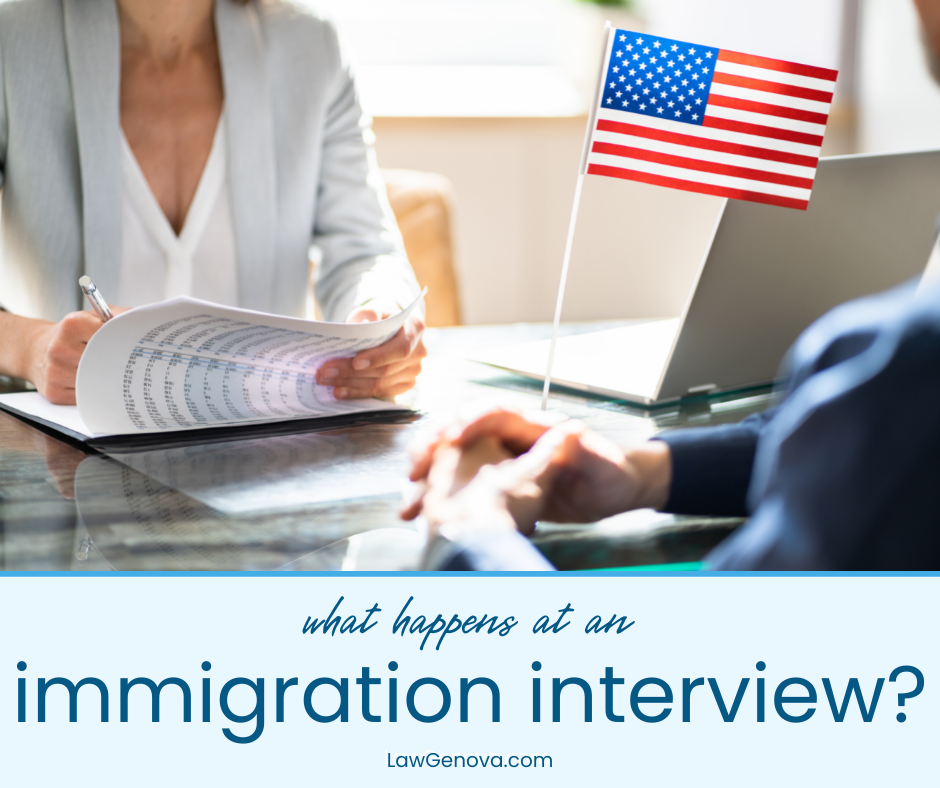
If you’re like most people immigrating to the United states, there’s a good chance you’ll have to participate in an immigration interview. But what happens during an immigration interview, and what are the possible outcomes? Does U.S. Citizenship and Immigration Services (USCIS) interview everyone who wants to come to the United States? This guide explains.
What is an Immigration Interview?
An immigration interview is a sit-down chat with an official from USCIS or someone working at a U.S. embassy or consulate abroad. The person interviewing you will determine whether or not you’re eligible for an immigrant visa, green card or United States citizenship. Your immigration attorney will most likely tell you that immigration interviews are nothing to worry about. As long as you take a little time to prepare, understand what the official will ask you and understand your responsibility for answering truthfully, your immigration interviews should go off without a hitch.
Where Do Immigration Interviews Happen?
Immigration interviews typically take place at a USCIS field office within the United States, but if you’re outside the United States, yours will take place at the U.S. embassy or consulate closest to you.
Who Has to Participate in an Immigration Interview?
Most people who are applying for an immigration benefit in the United States I required to participate in an immigration interview. However, there are a few exceptions, including those for children and some senior citizens. There are also exceptions for people who are physically unable to participate in interviews, as well. But the vast majority of people are required to participate in an immigration interview.
How Long Do Immigration Interviews Take?
Most immigration interviews only last around 20 minutes. However, in some cases, interviews can take longer. Sometimes green card marriage interviews last a bit longer than standard immigration interviews do; that can be the case when an interviewer suspects that there’s fraud involved in your case. See the later section, “Marriage Green Card Interviews,” for more information on these types of interviews.
Differences Between Visa Interviews, Green Card Interviews, and Citizenship Interviews
In most immigration interviews, the interviewer’s primary job is to determine whether you’re admissible to the United States. The interviewer will look at your initial application and review your answers. They’ll also ask you questions about anything they need clarified. With that said, most interviews are pretty standard. The following sections describe the basics for each type of immigration interview.
Immigration Interviews for Visas
Before you attend an immigration interview to get a visa, you’ll need to gather supporting documentation. That means you need a copy of your medical examination results, if applicable, as well as original or certified copies of all civil documents that you submitted as part of your original application. You also need to bring your appointment letter, passport and two identical color photographs of yourself and every other applicant applying with you.
When you arrive for your interview, you may need to bring your spouse and any children who are immigrating with you. Generally, everyone who is required to participate in your interview will be named in the letter you receive from USCIS or the National Visa Center.
You can expect your interviewer to ask you things like:
Why are you traveling to the United States?
How long do you plan to stay in the United States?
Where will you stay in the U.S.?
Who will be paying your expenses?
Do you have friends and relatives in the United States?
Have you visited the U.S. before?
Have you already booked your tickets?
Do you have any other plans, such as working, studying or tourism?
What are your plans after your visa expires?
As with any other immigration interview, it’s very important that you’re honest with your interviewer. The person who interviews you needs to see whether your answers match up with your visa application, as well as whether you’ve chosen the right type of visa for your purposes. It’s the immigration official’s job to ensure that you’re not planning to violate U.S. immigration law by overstaying your visa, as well.
Immigration interviews for green cards are a little different from those designed for visas. Usually, green card interviews occur between 7 and 15 months after you apply for a green card – but not everyone is required to attend this interview. The U.S. government will notify you if you need to attend an interview for a green card; if you don’t receive a notice from the government, check with your immigration attorney to clarify.
If you’re applying for a green card based on your family relationships (such as a spouse), both you and your sponsoring family member may be required to appear for the interview. However, there are exceptions – such as when the sponsoring family member lives in a different country, or when you’re applying for a green card from within the United States.
If you’re applying for a green card as an employee, only you need to attend the interview. Your employer doesn’t have to attend with you.
A Word on Marriage Green Card Interviews
When you apply for a green card based on your marriage to a U.S. citizen or lawful permanent resident, you can expect to be required to attend an interview. Usually, you and your spouse both have to show up to a marriage green card interview. During this interview, your interviewer will review your application and go over your answers with you – and your interviewer will also try to determine whether your marriage is legitimate. That’s because many people try to commit immigration fraud by getting married. It’s your interviewer’s job to make sure you’re in a bona fide (genuine) marriage, and that you didn’t simply get married so that you could get a green card.
During your marriage green card interview, the official interviewing you will most likely ask questions like these:
How did you two meet?
How long did you date before you got married?
Who proposed, and what’s the story of your proposal?
What was your wedding like, and who attended it?
Did you perform (or did someone else perform) any special rituals at your wedding?
What kind of food did you serve at your reception?
Did you go on a honeymoon? If you did, where did you go?
What is your daily life like at home?
How often do you communicate with each other when you’re apart?
Who cooks and who cleans around the house?
How do your children get to school?
What are your kids’ favorite activities? Their favorite foods? Who are their friends?
Which side of the bed do you sleep on?
Does your spouse take any medications?
When is your spouse’s birthday, and what do you do to celebrate?
What’s the most important holiday in your household, and how or where do you celebrate it?
The purpose of these questions is to ensure that you’re in a genuine marriage. Your interviewer will be looking for signs that you and your spouse aren’t married because you’re in love, or that you don’t live together and are only married on paper.
To be very clear, it’s okay if you trip up. Even couples who have been married a long time may have difficulty remembering which medications a spouse takes, who their kids hang out with, or remembering small details. Your investigator is looking at the big picture.
What’s not okay is being dishonest. If you don’t know the answer to a question, just say so; don’t try to make something up. Making up answers is bad news for your case, because it makes you less credible – and you need the investigator to understand that you’re in a bona fide marriage. If the investigator suspects you’re being dishonest, they may call you back in for a Stokes interview.
What is a Stokes Interview?
A Stokes interview is another chance for a couple to prove that they are engaged in a legitimate marriage period during this type of interview, and immigration official will interview you and your spouse together and separately.
First, the immigration officer will most likely explain to both of you why another interview is necessary. After doing so, the official will most likely separate you from your spouse and ask you questions individually. These questions may be very personal, but rest assured that your spouse is getting the same questions you are. you can expect questions similar to those in your first interview, such as how you met and who proposed. The official may also ask you questions such as:
Who typically does the dishes?
Do you pay your bills online, or do you write checks?
Who gets up first in the morning?
How many sinks and toilets are there in your home?
Where did you buy your furniture?
Who is your phone service provider?
What television shows do you watch together or separately?
How often do you go out to eat?
Where do you keep your toothbrushes?
Who fell asleep first last night?
The immigration official will then compare your answers to see if they match.
After both interviews are complete, the immigration official will bring you and your spouse back to the same room together. At that time, they’ll ask you and your spouse to explain any discrepancies in your answers. This type of interview is your last opportunity to convince the immigration official that your marriage is real, and that you didn’t just get married to obtain an immigration benefit. After your interview, the immigration official may approve your petition or deny it. If your petition is denied, you may wish to talk to an immigration attorney about your options.
Immigration Interviews for U.S. Citizenship
When you apply for citizenship, you can expect to attend an interview. During this interview, an immigration official will go over your application and verify your answers. They may also ask you additional questions.
You’ll take your U.S. citizenship test during your naturalization interview. Usually, immigration officials make a decision following this interview. If USCIS needs more information, you won’t receive a decision immediately; you can expect a request for more information to follow.
Do You Need to Talk to an Immigration Attorney About Your Immigration interview?
If you need to talk to an immigration attorney about an upcoming immigration interview (or anything else related to immigration), we may be able to help you. Call our office at 914-481-8822 to schedule a consultation with an experienced, knowledgeable immigration attorney who can answer your questions and give you the legal advice you need.
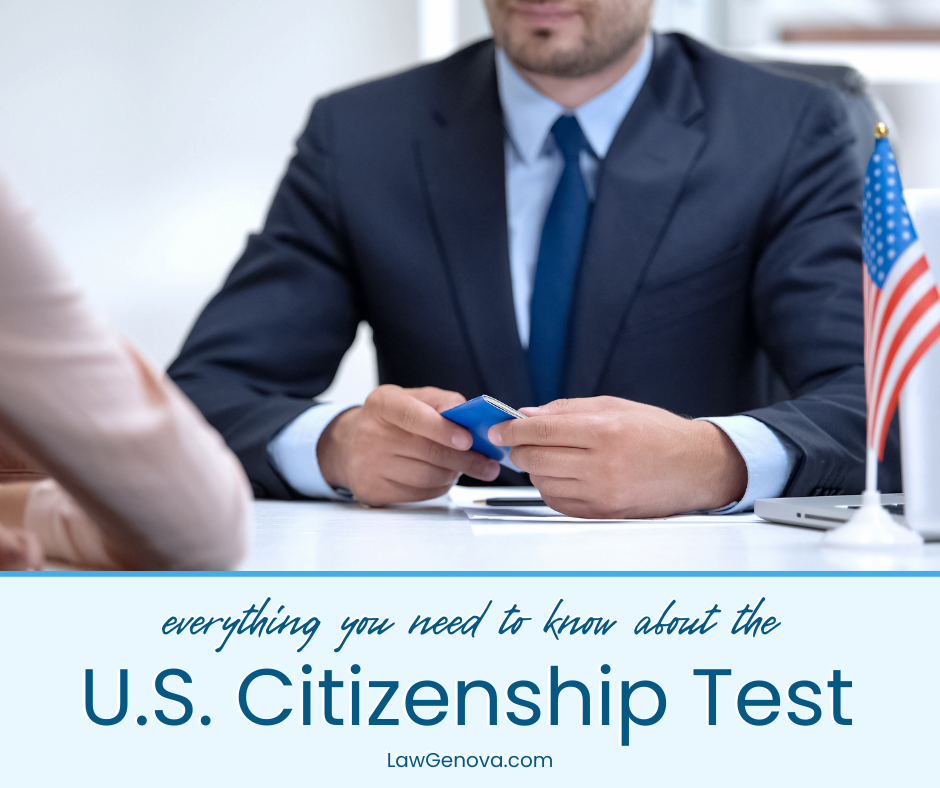
If you’re like many people, you know that part of the naturalization process is taking the citizenship test. But what’s on the test, how hard is it, and what happens if you fail? This guide explains everything you need to know about the U.S. citizenship test (and what happens after you take it).
The U.S. Citizenship Test, Explained
Nearly everyone who wants to become a naturalized U.S. citizen must take the citizenship test. There are a few exceptions, but for the most part, you can expect to take the test during your naturalization interview.
What is the U.S. Citizenship Test?
Sometimes called the naturalization test, the U.S. citizenship test is a test that just about everyone who wants to become a United States citizen must take. The test covers your knowledge of civics and the English language, and it involves speaking, reading and writing.
Though many people expect to sit at a desk, pull out a pencil and begin testing, that’s not exactly how this test works. Instead, it’s a built-in part of your naturalization interview.
English
The English part of the U.S. citizenship test involves:
Speaking. During your interview, the U.S. Citizenship and Immigration Services (USCIS) officer who interviews you will evaluate how well you speak and understand English.
Reading. The USCIS official interviewing you will ask you to read a sentence written in English. You must read one out of three sentences correctly to show the USCIS official that your English-reading skills are sufficient.
Writing. your USCIS official will ask you to write a sentence to show that you can write in English. You must write one of three sentences correctly.
Note: If you read and write the first sentence correctly, you won’t have to read or write the other two.
Civics
The civics portion of the citizenship test covers a variety of questions on U.S. history and how the government works. You may also be asked questions about rights, responsibilities and other aspects of United States citizenship.
Questions and Answers on the Citizenship Test
You don’t have to guess at what questions you’ll face during your immigration interview and citizenship test period in fact, USCIS has a complete list of the questions that an immigration officer may ask you on its website. (It provides the answers, too, which makes studying a lot easier!) You can access the list here, but here’s a sampling of some of the questions USCIS may ask you:
What is the supreme law of the land? (Answer: The Constitution.)
How many amendments does the Constitution have? (Answer: 27.)
Name one branch or part of the government. (Answer: Congress, President, the courts, the legislative branch, the executive branch or the judicial branch.)
What is the highest court in the United States? (Answer: The Supreme Court.)
What is the capital of your state? (The capital of New York is Albany, but your answer may vary based on where you live.)
Name one right only for United States citizens? (Answer: To vote in a federal election or to run for federal office.)
When was the Declaration of Independence adopted? (Answer: July 4, 1776.)
The complete list of possible questions is available on USCIS’s website. You may print them and use them as a study guide. USCIS officials won’t ask you test questions that aren’t on that list. (But remember, you take the test as part of your naturalization interview. That means the USCIS officer conducting your interview will most likely ask you questions about your application. They may also ask you questions on other topics that aren’t part of the citizenship test.)
How Many Questions Does USCIS Ask You?
The USCIS official conducting your citizenship will ask you up to ten questions. You must get six of them right. Typically, as soon as you get six correct answers, the questions stop – there’s no need to keep asking, because you only need six to pass.
It’s okay if the USCIS officer needs to ask you all ten questions. Don’t stress yourself out over it if that happens to you – you’re allowed to get four of the questions wrong.
What Happens if You Fail the U.S. Citizenship Test?
If you fail either part of the citizenship test – the English or civics portion – it’s not the end of the world. You can retake the failed portions. However, you can only fail the test twice. If you fail twice, USCIS will deny your naturalization application. That means you need to reapply for naturalization, starting at square one.
Exemptions and Exceptions for the U.S. Citizenship Test
Though most people are required to take the citizenship test, some people are exempt. That means they don’t have to take the test (or a part of the test) at all. Other people have exceptions, such as being allowed to use an interpreter.
English Language Exemptions
You don’t have to take the English part of the citizenship test if:
You’re age 50 or older at the time you file your naturalization application and you’ve continuously lived in the U.S. with a green card for 20 years or more. This is sometimes called the 50/20 exception.
You’re age 55 or older at the time you file your naturalization application and you’ve continuously lived in the U.S. with a green card for 15 years or more. This is sometimes called the 55/15 exception.
Even if you qualify for one of these exceptions, you still have to take the civics portion of the test. But if you’re not too confident in your English-language skills, it’s okay. You may take the test in your native language, provided that you bring an interpreter with you to your interview. Your interpreter must be fluent in your native language and in English.
Note: If you’re age 65 or older at the time you file your application, and if you’ve been a green card-holder for at least 20 years, you get special consideration on the civics part of the test. You’re also allowed to bring a qualified interpreter with you to your interview. This is sometimes called the 65/20 exemption.
Exceptions for Medical Disabilities
If you can’t take the English or civics portion of the U.S. citizenship test because you have a medical disability, USCIS can give you an exception. Your doctor needs to fill out a specific form that explains why you can’t take the test. After your doctor completes the form, your attorney will file it with your naturalization application.
Note: Only a licensed medical or osteopathic doctor, or a licensed clinical psychologist, can fill out the disability exception form.
Accommodations for Disabilities
The U.S. government requires USCIS to provide accommodations or modifications to people with disabilities. If you have a disability that makes it difficult for you to take one or both portions of the citizenship test (or to otherwise participate in the naturalization process), USCIS can make adjustments for you. You should discuss these issues with your attorney so that she can list them in the appropriate place on your naturalization application.
Quick Reference Guide for Exemptions and Exceptions
Exceptions or Exemptions
English
Civics
Age 50 or older, if you have resided in the U.S. as a lawful permanent resident (green card-holder) for at least 20 years at the time you file your application
You are exempt from this part of the test.
You must pass this part of the test. However, you may take it in your language of choice using an interpreter.
Age 55 or older, if you have resided in the U.S. as a lawful permanent resident (green card-holder) for at least 15 years at the time you file your application
You are exempt from this part of the test.
You must pass this part of the test. However, you may take it in your language of choice using an interpreter.
Age 65 or older, if you have resided in the U.S. as a lawful permanent resident (green card-holder) for at least 20 years at the time you file your application
You are exempt from this part of the test.
You must pass this part of the test, but USCIS officers are authorized to administer specially designated test forms. You may take this part of the test in your language of choice using an interpreter.
Medical disabilities
You may be exempt from this part of the test, or USCIS may have to provide special accommodations so you can take it.
You may be exempt from this part of the test, or USCIS may have to provide special accommodations so you can take it.
Other Issues at Your Naturalization Interview
The U.S. citizenship test is only part of your naturalization interview. The USCIS official conducting your interview will most likely talk to you about your application and ask you other questions that aren’t related to the test. Some of the questions may involve how attached you are to the principles and ideals in the U.S. Constitution, where you live and the answers you provided on your naturalization application.
The naturalization interview is nearly your last stop on the path to citizenship. After you complete your interview and pass your citizenship test, USCIS will schedule your Oath of Allegiance. You must fill out Form N-445 before you show up to take the oath. This form contains questions about whether your circumstances have changed (such as whether you’ve been married or divorced, traveled outside the U.S., or been arrested).
Most people take the Oath of Allegiance during a ceremony at the same USCIS field office where they interviewed. Before that ceremony takes place, USCIS will collect your green card; then, an official will review your answers on Form N-445. Then, you’ll take the Oath of Allegiance to the United States and receive your naturalization certificate. At that point, you’re officially a U.S. citizen, and you don’t have to take any more tests or file any more applications. You can simply start enjoying the new rights and responsibilities that come with U.S. citizenship.
Do You Need to Talk to an Immigration Attorney About Citizenship?
If you need to talk to an immigration attorney about getting naturalized citizenship in the United States, we may be able to help you. Call our office at 914-481-8822 to schedule a consultation with an experienced, knowledgeable immigration attorney who can answer your questions and give you the legal advice you need.
1. Were under the age of 31 as of June 15, 2012; 2. Came to the United States when you were 15 years old, or younger; 3. Have lived in the United States at least from June 15, 2007, or earlier, up to the present time; 4. Were physically present in the United States on June 15, 2012, and at the time of making your request for DACA; 5. Had no lawful status on June 15, 2012; 6. Are currently in school, have graduated from high school, have obtained a GED certificate, or are an honorably discharged veteran of the Coast Guard or Armed Forces of the United States; and 7. Have not been convicted of a felony, significant misdemeanor, or three or more other misdemeanors, and do not otherwise pose a threat to national security or public safety On February 18, 2015, the Department of Homeland Security was supposed to start accepting applications for the expanded DACA program; however, a District Court judge temporarily enjoined the implementation the expanded Deferred Action for Childhood Arrivals (DACA). The Department of Justice announced that they will appeal that temporary injunction. We will continue to follow the news related to this program, and will update our site promptly.