Blog

  • ¿Qué significa patrocinar a alguien para obtener una Tarjeta Verde?

    Si usted es como muchas personas, sabe que es posible que un ciudadano estadounidense o un residente permanente legal patrocine a un inmigrante para que venga a los Estados Unidos. Pero, ¿qué significa exactamente ser un patrocinador y cómo funciona todo? Esta guía explica.

    ¿Qué es un Patrocinador de Tarjeta Verde en Inmigración Familiar?

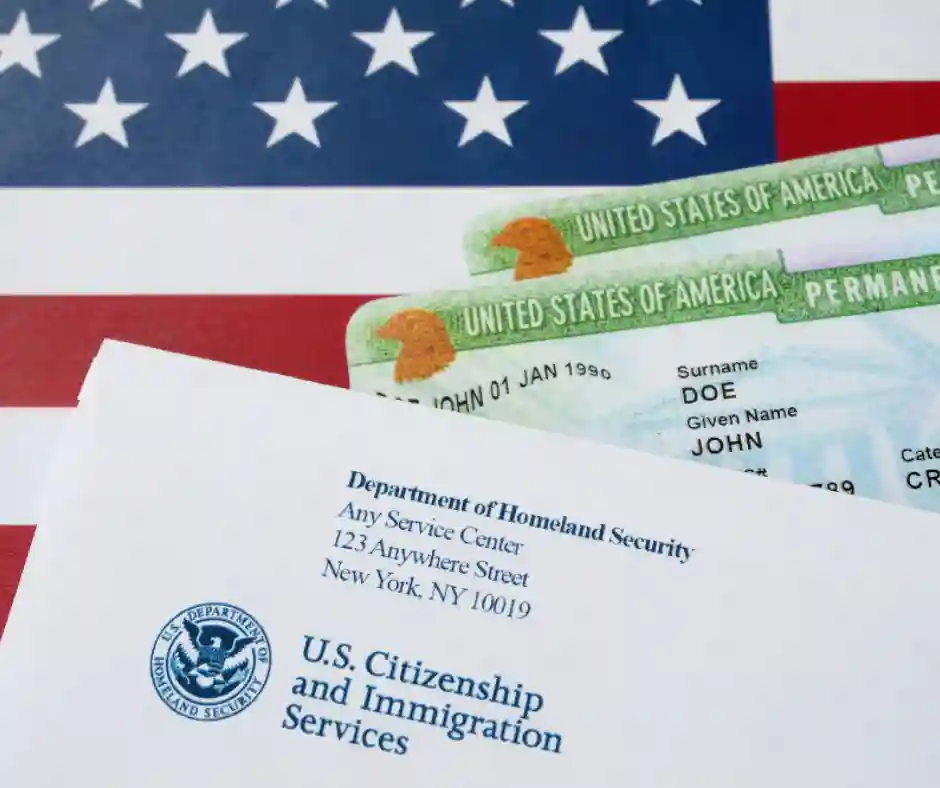
    Un patrocinador de la tarjeta verde es alguien que ayuda a un inmigrante a convertirse en residente permanente legal en los Estados Unidos. El patrocinador hace esto firmando el Formulario I-864, Declaración Jurada de Patrocinio. Este formulario es esencialmente un contrato que dice que la persona que lo firma acepta usar sus recursos financieros para apoyar a la persona nombrada en la declaración jurada si es necesario.

    Cualquiera que solicite convertirse en residente permanente a través de un familiar necesita un patrocinador financiero. El Servicio de Ciudadanía e Inmigración de los Estados Unidos (USCIS) requiere el Formulario I-864 como parte de una solicitud completa. Sin ella, USCIS denegará la solicitud.

    Tenga en cuenta que patrocinar a alguien para la inmigración familiar es diferente de patrocinar a un empleado para que trabaje para su empresa. La inmigración comercial es un proceso separado y requiere que un empleador realice varios pasos antes de ser elegible para patrocinar a un trabajador. (Esta guía solo aborda la inmigración familiar). La única excepción es cuando un inmigrante viene a los EE. UU. para trabajar para un pariente o para una empresa en la que un pariente posee una determinada participación. Si esto suena como su situación, debe hablar a un abogado de inmigración de Nueva York sobre los requisitos que usted y su familiar deben cumplir.

    Relacionado: ¿Pueden los inmigrantes indocumentados obtener estatus legal en los Estados Unidos?

    ¿Quién es elegible para patrocinar a alguien para Obtener una Tarjeta Verde en los Estados Unidos?

    Para patrocinar a un inmigrante, debe ser ciudadano estadounidense o residente permanente legal y tener al menos 18 años. También debe vivir actualmente en los Estados Unidos o en uno de sus territorios o posesiones al momento de presentar una Declaración Jurada de Patrocinio.

    El patrocinador suele ser la persona cuya relación califica al inmigrante para la residencia permanente legal en los Estados Unidos. Por ejemplo, un cónyuge puede patrocinar a su pareja; un padre puede patrocinar a su hijo. En algunos casos, un niño puede patrocinar a su padre o alguien puede patrocinar a un hermano.

    ¿A quién pueden Patrocinar los Ciudadanos Estadounidenses?

    Los ciudadanos estadounidenses pueden patrocinar a los siguientes miembros de la familia:

    • Una esposa.
    • Un hijo soltero menor de 21 años.
    • Un padre (si el ciudadano es mayor de 21 años)
    • Un hijo casado de cualquier edad.
    • Un hermano (si el ciudadano es mayor de 21 años).

    ¿A quién pueden patrocinar los Residentes Permanentes Legales?

    Los residentes permanentes legales pueden patrocinar a los siguientes miembros de la familia:

    • Una esposa.
    • Un hijo soltero menor de 21 años.
    • Un hijastro soltero menor de 21 años.

    Relacionado: La guía paso a paso para eliminar las condiciones de una tarjeta verde

    ¿Se puede Patrocinar a más de una Persona?

    Puede patrocinar a más de una persona. Sin embargo, deberá completar una petición y una declaración jurada de apoyo por separado para cada persona que desee patrocinar. También debe demostrar que puede apoyar financieramente a cada inmigrante que patrocina.
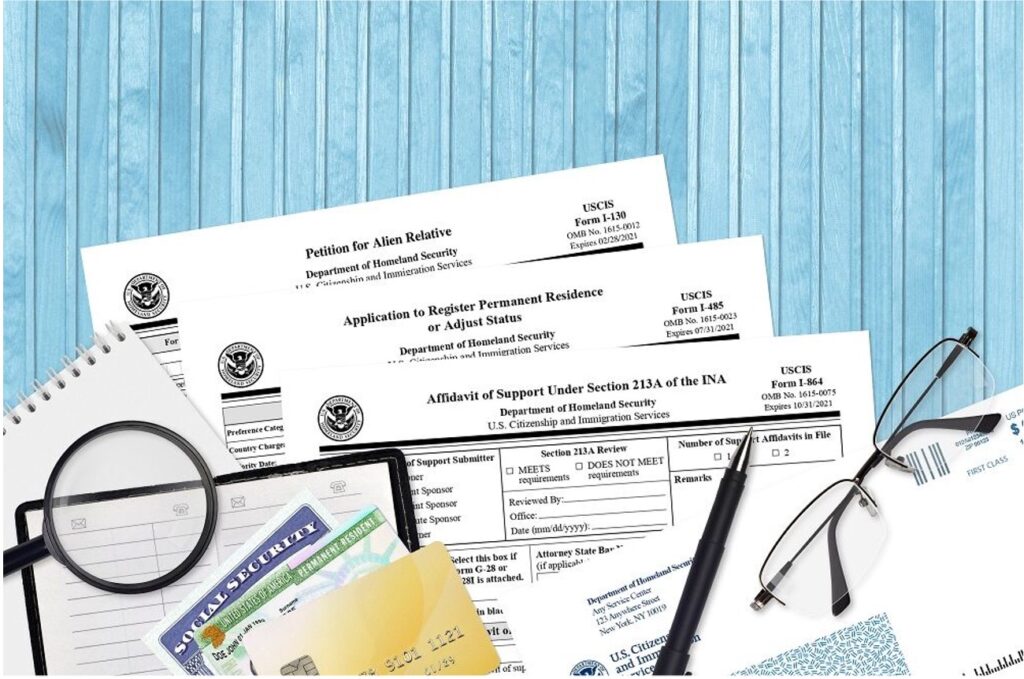
    La declaración jurada de apoyo para los Patrocinadores de la Tarjeta Verde.

    Una Declaración jurada de apoyo ayuda a garantizar que los nuevos inmigrantes a los Estados Unidos no vivan en la pobreza. Desafortunadamente, a veces las personas vienen a los EE. UU. sin el dinero adecuado para vivir, y ahí es donde entra el patrocinador. El patrocinador firma una declaración jurada legalmente vinculante que dice que acepta mantener al inmigrante si es necesario; que ayuda a evitar que los nuevos inmigrantes se vean obligados a depender de algunos tipos de programas de asistencia pública. Si el inmigrante usa ciertas formas de asistencia pública, el patrocinador debe reembolsar al gobierno por la asistencia que usa el inmigrante.

    En general, debe cumplir al menos el 125 por ciento de las Pautas federales de pobreza, que cambian cada año, para calificar como patrocinador. Sin embargo, hay una excepción: si el patrocinador es un miembro militar en servicio activo de las fuerzas armadas de los EE. UU. y el inmigrante es cónyuge o hijo, el requisito de ingresos es el 100 por ciento del nivel de pobreza.

    Si no gana al menos esa cantidad, es posible que necesite un patrocinador conjunto.

    ¿Qué es un Patrocinador Conjunto?

    A veces es necesario utilizar un patrocinador conjunto: una segunda persona que acepta brindar apoyo financiero a un inmigrante que solicita una tarjeta de residencia basada en la familia. Esta persona no tiene que estar relacionada con el patrocinador principal o el inmigrante; puede ser un amigo en lugar de un miembro de la familia.

    Puede ser necesario un patrocinador conjunto si usted (el patrocinador principal) no tiene suficientes ingresos o bienes para garantizar que pueda mantener al inmigrante. También es posible que necesite un patrocinador conjunto si sus declaraciones de impuestos no reflejan con precisión cuánto gana ahora, incluso si actualmente gana lo suficiente. Eso es porque USCIS considerará sus declaraciones de impuestos como prueba de sus ingresos.

    El patrocinador principal y el patrocinador conjunto deben completar y presentar una Declaración Jurada de Patrocinio.

    Relacionado: ¿Qué son el fraude de inmigración y la tergiversación deliberada?

    ¿Cuáles son sus responsabilidades si patrocina a alguien para obtener una Tarjeta Verde?

    Las responsabilidades del patrocinador de la tarjeta verde son simples: debe brindar apoyo financiero a un inmigrante si es necesario. Naturalmente, si el inmigrante puede mantenerse por sí mismo, el patrocinador no tiene que proporcionar apoyo financiero.

    ¿Cuánto dura el Patrocinio?

    La responsabilidad financiera de un patrocinador finaliza automáticamente cuando la persona que patrocinó se convierte en ciudadano estadounidense. Si el inmigrante no se convierte en ciudadano estadounidense, la responsabilidad financiera del patrocinador finaliza cuando al inmigrante se le acreditan 40 trimestres de trabajo en los EE. UU. (lo que generalmente sucede si el inmigrante tiene un empleo continuo durante 10 años), deja los EE. UU. permanentemente, o Fallece.

    ¿Cuál es el proceso para patrocinar a un inmigrante?

    El primer paso para patrocinar a un inmigrante suele ser presentar una petición ante USCIS. Los formularios específicos que debe presentar dependen de su relación con la persona que está patrocinando. Su abogado de inmigración sabrá exactamente qué formularios debe presentar, así como qué tipo de documentación de respaldo debe enviar con su petición.

    Patrocinio de un Inmigrante que ya vive en los Estados Unidos.

    El proceso para patrocinar a un inmigrante que ya vive en los Estados Unidos es un poco diferente. En este caso, debe presentar el Formulario I-485, Solicitud de Registro de Residencia Permanente o Ajuste de Estatus, junto con los demás documentos requeridos. Luego, el inmigrante debe asistir a una entrevista en una oficina de USCIS.

    Patrocinio de un Inmigrante que vive fuera de los Estados Unidos.

    Si el inmigrante que desea patrocinar vive fuera de los Estados Unidos, deberá pasar por el proceso del Centro Nacional de Visas (NVC). El primer paso es presentar el Formulario I-130, Petición de familiar extranjero. Después de que se apruebe, el NVC le enviará información e instrucciones sobre cómo enviar la Declaración Jurada de Apoyo y pagar la tarifa de procesamiento de la visa. A partir de ahí, el inmigrante deberá asistir a una entrevista en la embajada o consulado estadounidense más cercano.

    ¿Qué documentos de respaldo necesita para patrocinar a un inmigrante?

    Hay algunos documentos de respaldo diferentes que es posible que deba presentar (además de su Declaración jurada de apoyo) cuando patrocina a un inmigrante. Éstos incluyen:

    • Prueba de su ciudadanía estadounidense o estado de residente permanente legal.
    • Prueba de su relación con el inmigrante.
    • Evidencia de su capacidad financiera para apoyar al inmigrante.
    • un examen médico.
    • Un certificado de policía (si es necesario).

    Es posible que también deba enviar otros documentos, según sus circunstancias individuales. Pero no se preocupe, su abogado de inmigración le dirá exactamente lo que necesita para su petición.

    ¿Cuánto cuesta Apadrinar a un Familiar?

    Hay algunas tarifas diferentes asociadas con el patrocinio de un miembro de la familia para obtener una tarjeta verde. La primera es la tarifa de presentación de la petición, que está sujeta a cambios (pero puede encontrar la tarifa actual aquí). Es posible que también deba pagar una tarifa biométrica y una tarifa por la Declaración Jurada de Apoyo.

    ¿Cuánto tiempo lleva patrocinar a un inmigrante?

    La cantidad de tiempo que lleva patrocinar a un inmigrante depende de algunos factores diferentes. Éstos incluyen:

    • La relación entre el patrocinador y el inmigrante.
    • El país de origen del inmigrante.
    • Si el inmigrante ya está en los Estados Unidos.

    En términos generales, lleva más tiempo patrocinar a un inmigrante que no es un pariente cercano y que vive fuera de los Estados Unidos. Todo el proceso puede llevar varios meses (o más), por lo que es mejor que hable con un abogado de inmigración sobre su situación específica. Su abogado puede analizar cuánto tiempo tomará probablemente su caso y cuándo su pariente podrá venir a los Estados Unidos.

    Relacionado: ¿Se puede obtener una tarjeta verde con antecedentes penales?

    ¿Qué pasa si la persona que estoy patrocinando obtiene una tarjeta verde basada en el empleo?

    Si el inmigrante que patrocinó obtiene una tarjeta verde basada en el empleo en lugar de una relación familiar, usted no es responsable de ellos financieramente. El empleador es responsable de asegurarse de que el inmigrante pueda mantenerse a sí mismo.

    Sin embargo, incluso si no es financieramente responsable de un inmigrante empleado, aún puede ser considerado su patrocinador. Eso es porque usted fue quien originalmente solicitó que vinieran a los Estados Unidos. Como tal, es posible que se le pregunte sobre su patrocinio durante la entrevista de tarjeta verde del inmigrante.

    ¿Necesita hablar con un abogado de inmigración sobre el patrocinio de alguien para una Tarjeta Verde?

    Si necesita hablar con un abogado de inmigración, es posible que podamos ayudarlo. Llame a nuestra oficina al 914-481-8822 para programar una consulta con un abogado de inmigración con experiencia y conocimientos que pueda responder sus preguntas y brindarle el asesoramiento legal que necesita.

  • Adjustment of Status and the K-1 Visa

    When you’re a U.S. citizen who wants to marry someone from another country – whether it’s your country of origin or elsewhere – you may be able to bring your fiancé to the United States on a K-1 visa. The K-1 visa is designed to allow a U.S. citizen and their foreign fiancé to get married in the United States, but there are very strict limitations on it (learn more about the limitations in the later section, “Limitations on the K-1 Fiancé Visa”). After your fiancé arrives and you marry each other, you can adjust your new spouse’s status to get them a green card, which this guide explains.

    What is a K-1 Visa, and Can You Adjust Status to Get a Green Card if You Have One?

    The K-1 visa is a nonimmigrant visa for a foreign fiancé of a U.S. citizen. The visa allows the foreign national to enter the United States for the purpose of getting married to their U.S. Citizen fiancé within 90 days of arrival. After getting married, the U.S. citizen may apply for their spouse to get a green card. A green card is proof that someone’s a lawful permanent resident of the United States, and it enables that person to live and work anywhere in the country without any special authorization from the government.

    Who Qualifies for a K-1 Visa?

    In order for your fiancé to qualify for a K-1 visa, both the U.S. citizen and the foreign fiancé must meet several requirements.

    The U.S. citizen petitioner must:

    • Have been born in the United States or naturalized through the process of becoming a U.S. Citizen
    • Be at least 18 years old
    • Intend to marry their foreign fiancé within 90 days of their arrival in the United States
    • Meet in person with their foreign fiancé at least once within the two years prior to filing the K-1 visa petition
    • Be able to financially support their fiancé during their time in the United States

    The foreign fiancé must:

    • Be legally free to marry, meaning that they’re not currently married and any previous marriages have ended through divorce, annulment, or death
    • Intend to marry their U.S. citizen petitioner within 90 days of arrival in the United States
    • Pass a medical examination conducted by a U.S. government-approved doctor
    • Prove that they have enough financial resources to support themselves during their time in the United States (which may be through their sponsor)

    Your immigration attorney can explain any other requirements either of you must meet.

    Adjustment of Status After a K-1 Visa

    After your foreign fiancé enters the United States on a K-1 visa and you get married, you can apply for a green card through a process known as adjustment of status. Essentially, this process changes the person’s immigration status from a K-1 visa holder to a conditional green card holder. (See the later section, “Why Do K-1 Immigrants Get a Conditional Green Card?” for more information on the conditions associated with lawful permanent residency for newlyweds.)

    To adjust your new spouse’s status, your attorney will file Form I-485, Application to Register Permanent Residence or Adjust Status with USCIS. You should include the following supporting documents with your application:

    • Your marriage certificate
    • Proof that you’re a U.S. citizen, such as a copy of your birth certificate or passport
    • Your new spouse’s birth certificate
    • Proof that you remain married, such as joint bank account statements and/or lease agreements
    • Your new spouse’s police clearances from any country they have lived in for more than six months since the age of 16
    • Evidence that you can financially support your new spouse, such as your most recent tax return

    You’ll also need to attend an interview at a USCIS office, during which a USCIS officer will ask you questions about your relationship and marriage. If the officer is satisfied that your marriage is bona fide (legitimate), they’ll approve your application and your spouse will receive their conditional green card in the mail.

    Related: Everything you need to know about green card marriage

    Special Circumstances

    There are a few special circumstances that can complicate the adjustment of status process for K-1 visa holders. These include:

    • Bars to adjustment of status. There are certain circumstances that can prevent someone from adjusting their status; they’re called bars to adjustment. For example, if your spouse previously entered the United States on a visa but overstayed, or if they previously violated U.S. immigration law, you may not be able to adjust their status. (You can check out a list of bars to adjustment here.)
    • Grounds of inadmissibility. There are also certain grounds of inadmissibility that can make someone ineligible for a green card. For example, if your spouse has a communicable disease “of public health significance” or has committed a crime of moral turpitude in the past, they may not be admissible to the U.S. – though some people are eligible for waivers. If your spouse may be ineligible to adjust status, you should talk to your attorney to find out whether you have any options. (A crime of moral turpitude is a crime that’s considered to be morally reprehensible, such as murder, rape or child abuse.)

    Related: Getting a green card with a criminal record

    How Do You Apply for a K-1 Visa to Get the Green Card Process Started?

    The first step in applying for a K-1 visa is for the U.S. citizen sponsor’s attorney to file Form I-129F, Petition for Alien Fiancé with USCIS. This form establishes that the sponsor and beneficiary are free to marry, that they have met in person within the past two years, and that they intend to marry within 90 days of the beneficiary’s arrival in the United States.

    After USCIS approves the petition, it will be forwarded to the National Visa Center (NVC), which will then forward it to the U.S. embassy or consulate where the beneficiary is located. The beneficiary will then need to complete the following steps:

    • Submit a visa application: The first step is to complete and submit a visa application, which can be done online through the State Department’s website.
    • Pay the visa application fee: The second step is to pay the visa application fee.
    • Submit additional documents: The third step is to submit additional documents, which may include evidence of the relationship, police clearances, and financial documents.
    • Attend an interview: The fourth and final step is to attend an immigration interview at the U.S. embassy or consulate. During the interview, a consular officer will ask the beneficiary questions about the information on the application, as well as questions about the beneficiary’s relationship with the U.S. citizen. If they’re satisfied that your relationship is bona fide and that the beneficiary meets all the other requirements, they’ll approve the visa application.

    After you have your K-1 visa, you can travel to the United States. After your arrival, you have 90 days to marry your U.S. citizen sponsor. Once you’re married, you can apply for a green card through the adjustment of status process.

    Can Your Fiancé’s Family Members Come to the U.S. With Them on a K-1 Visa?

    If your fiancé has children, they may be eligible to come to the United States on a K-2 visa. The K-2 visa is for children of K-1 visa holders who are under 21 years of age and unmarried. Older sons and daughters don’t qualify.

    Documents You Need to Apply for a Green Card if You Came to the U.S. on a K-1 Visa

    If you came to the United States on a K-1 visa, you’ll need to submit the following documents when you apply for a green card:

    • Application for Permanent Residence (Form I-485): You need Form I-485, Application to Register Permanent Residence or Adjust Status, which your attorney can do for you.
    • Proof of relationship: You must submit proof of your relationship to your U.S. citizen spouse, which can include photographs, joint bank statements or birth certificates for children you have together. Your New York immigration attorney can give you specific guidance on the types of documentation you may need to provide.
    • Proof of financial support: You’ll most likely need to show that you have enough financial support to live in the United States. This can be done with your sponsor’s bank statements, pay stubs or tax returns.
    Untitled-design-1

    Why Do K-1 Nonimmigrants Get a Conditional Green Card?

    All K-1 visa holders receive a conditional green card, which is valid for two years. The conditions on the green card must be removed within those two years or the card will expire and you’ll be required to leave the United States.

    The purpose of the conditional green card is to ensure that people don’t simply get married to obtain an immigration benefit. The conditions attached to the green card is that you remain married to the same person who made you initially eligible for the green card – and that your marriage is genuine. That means you married because you wanted to be married to each other – not simply so that you could get a green card. (It’s illegal to marry someone simply to receive an immigration benefit, and if you’re caught doing so, you’ll be removed from the U.S. and be forbidden from coming back for a certain period of time.)

    Removing Conditions From a Green Card You Obtained as a K-1 Visa Holder

    To remove the conditions on your green card, you’ll need to file Form I-751, Petition to Remove Conditions on Residence, with USCIS within the 90 days before your green card expires. You cannot remove the conditions before that time.

    You’ll need to submit evidence that you’re still married and living together with your spouse, as well as proof of any joint income or assets, such as joint bank statements or tax returns. You may also need to provide evidence of your good moral character, such as police clearances, and proof that you have not abandoned your residence in the United States.

    Do You Need to Talk to an Immigration Attorney About Adjustment of Status After Having a K-1 Visa?

    If you need to talk to an immigration attorney, we may be able to help you. Call our office at 914-481-8822 to schedule a consultation with an experienced, knowledgeable immigration attorney who can answer your questions and give you the legal advice you need.

  • La lista definitiva de verificación de la tarjeta verde.

    Cuando solicita una tarjeta verde en los Estados Unidos, necesita varios documentos que demuestren que es elegible para la residencia permanente. Su abogado revisará sus documentos y los enviará a los Servicios de Ciudadanía e Inmigración de los Estados Unidos (USCIS) con su petición. Pero, ¿qué documentos necesitas? Esta guía contiene una lista de verificación de tarjeta verde que puede usar para asegurarse de tener toda la documentación de respaldo que USCIS necesita para revisar y aprobar su petición.

    La Lista definitiva de verificación de la Tarjeta Verde.

    La razón por la que es elegible para una tarjeta verde (por ejemplo, si es un inversionista inmigrante o si se casó con un ciudadano estadounidense o un residente permanente legal) determinará los documentos que debe proporcionar con su petición. Existen diferentes formas para diferentes situaciones, pero las más comunes son:

    • Formulario I-130 para inmigración familiar.
    • Formulario I-140 para trabajadores extranjeros.
    • Formulario I-360 para amerasiáticos, viudos e inmigrantes especiales.
    • Formulario I-526 para empresarios extranjeros.
    • Formulario I-589 para personas en proceso de deportación.
    • Formulario I-730 para refugiados y asilados.
    • Formulario I-918 para personas con estatus U de no inmigrante.

    Las siguientes secciones le brindan una lista de verificación de tarjeta verde para cada tipo de petición.

    Lista de Verificación de Tarjeta Verde para el Formulario I-130.

    Si es ciudadano estadounidense o residente permanente legal (titular de la tarjeta verde) y presenta una petición en nombre de un familiar, estos son los documentos que debe proporcionar al USCIS:

    • Evidencia de su ciudadanía (como una copia de su certificado de nacimiento, su certificado de naturalización o ciudadanía, o su pasaporte estadounidense vigente)
    • Evidencia de su relación con su familiar (como un certificado de nacimiento o documento de matrimonio)
    • Evidencia de un matrimonio de buena fe (si está solicitando una tarjeta verde para su cónyuge)

    Relacionado: Cómo ayudar a sus padres a obtener tarjetas de residencia en los EE. UU.

    Una nota sobre las Tarjetas Verdes por Matrimonio.

    Es probable que deba proporcionar una cantidad significativa de evidencia de que está en un matrimonio genuino, es decir, no se casó simplemente con su cónyuge para que pudiera recibir un beneficio de inmigración. Su abogado de inmigración de Nueva York le brindará orientación más específica, pero, en general, a USCIS le gusta ver evidencia como:

    • Copropiedad de la propiedad.
    • Cuentas bancarias a nombre de ambos.
    • Arrendamientos o documentos de hipoteca a nombre de ambos.
    • Actas de nacimiento de los hijos que tengan juntos.
    • Evidencia de que usted y su cónyuge han viajado juntos (boletos de avión, recibos de hotel y otra documentación).

    Lista de Verificación de Tarjeta Verde para el Formulario I-140.

    Si es un empleador que solicita en nombre de un trabajador extranjero, debe proporcionarle a USCIS:

    • Una copia del pasaporte del trabajador extranjero.
    • Una copia del acta de nacimiento del trabajador extranjero
    • Una copia del currículum o curriculum vitae del trabajador extranjero.
    • Evidencia de la educación y las calificaciones del trabajador extranjero (como diplomas, expedientes académicos, licencias o certificaciones)
    • Evidencia de la experiencia laboral anterior del trabajador extranjero (como evaluaciones de desempeño, cartas de empleadores anteriores o talones de pago)
    • Una copia del Formulario I-94 del trabajador extranjero, si está disponible
    • Una copia de la visa del trabajador extranjero, si está disponible

    Relacionado: Qué significa patrocinar a alguien para una tarjeta verde.

    Lista de Verificación de la Tarjeta Verde para el Formulario I-360.

    Si es amerasiático, viudo(a) o un inmigrante especial que solicita su propia tarjeta de residencia, debe proporcionarle a USCIS:

    • Una copia de su pasaporte.
    • Una copia de su acta de nacimiento.
    • Una copia de su certificado de matrimonio, si corresponde.
    • Una copia de su sentencia de divorcio o el certificado de defunción de su cónyuge, si corresponde.
    • Evidencia de su servicio militar, si corresponde.
    • Evidencia de su empleo, si corresponde.

    Lista de Verificación de la Tarjeta Verde para el Formulario I-526.

    Si es un empresario extranjero que invierte en una nueva empresa comercial en los Estados Unidos, puede solicitar su propia tarjeta de residencia mediante el Formulario I-526. En ese caso, debe proporcionarle a USCIS:

    • Una copia de su pasaporte.
    • Una copia de su acta de nacimiento.
    • Una copia de su hoja de vida o currículum vitae.
    • Evidencia de su educación y calificaciones (como diplomas, transcripciones, licencias o certificación).
    • Un plan de negocios para la nueva empresa.
    • Evidencia de su respaldo financiero para la nueva empresa (como extractos bancarios o documentación de inversión).

    Lista de Verificación de la Tarjeta Verde para el Formulario I-589.

    Si está en proceso de deportación, su abogado puede sugerirle que solicite asilo o retención de deportación. En una situación como esta, su abogado le dará una lista específica de documentos para proporcionar; en general, debe proporcionar a USCIS:

    • Una copia de su pasaporte.
    • Una copia de su acta de nacimiento.
    • Una copia de su certificado de matrimonio, si corresponde.
    • Una copia de su sentencia de divorcio o el certificado de defunción de su cónyuge, si corresponde.
    • Evidencia de cualquier persecución que haya sufrido en el pasado (como informes policiales, registros médicos o artículos periodísticos).
    • Evidencia de cualquier temor de persecución que tenga en el futuro (como opiniones de expertos o cartas de amigos y familiares).

    Relacionado: asilo y otras estrategias de defensa de deportación de inmigración.

    Lista de Verificación de la Tarjeta Verde para el Formulario I-918.

    Si se le ha otorgado el estatus de no inmigrante U, puede ser elegible para ajustar su estatus al de residente permanente. Para hacerlo, debe proporcionarle a USCIS:

    • Una copia de su pasaporte
    • Una copia de su acta de nacimiento
    • Una copia de su Formulario I-94
    • Una copia de su Formulario I-797, Notificación de Acción
    • Evidencia de su presencia continua en los Estados Unidos (como talones de pago, registros escolares o facturas de servicios públicos)
    • Evidencia de su buen carácter moral (como cartas de amigos, familiares o líderes comunitarios)

    Tenga en cuenta que estas no son listas exhaustivas de todos los documentos que puede necesitar proporcionar. Asegúrese de consultar con un abogado de inmigración para ver qué otros documentos pueden ser necesarios en su caso específico.

    ¿Qué sucede si no incluye suficiente evidencia con su Solicitud de Tarjeta Verde?

    Si no incluye suficiente evidencia con su petición de tarjeta verde, USCIS puede negar su solicitud por completo. En otros casos, USCIS puede emitir lo que se llama una solicitud de evidencia (RFE). Una RFE es una solicitud formal de USCIS que le pide que proporcione información o documentación adicional para respaldar su caso.

    Es importante responder a una RFE de manera rápida y completa; si no lo hace, USCIS puede denegar su solicitud. Si no está seguro de cómo responder a una RFE, o si tiene alguna otra pregunta sobre el proceso de la tarjeta verde, su abogado de inmigración estará allí para ayudarlo. De hecho, su abogado será quien responda formalmente a su RFE en su nombre; solo depende de usted encontrar y proporcionar la documentación adecuada.

    ¿Cuánto tiempo lleva Obtener una Tarjeta Verde?

    El tiempo que lleva obtener una tarjeta verde varía según la categoría específica en la que se encuentre y si proporciona toda la documentación que USCIS necesita en el primer intento. Por ejemplo, si está solicitando a un miembro de la familia, el proceso puede demorar entre varios meses y varios años. Si es un empresario que invierte en una nueva empresa comercial, el proceso puede demorar entre unos meses y un año. Y si está en proceso de deportación, la línea de tiempo es generalmente muy fluida; puede suceder rápidamente, o puede que no.

    Es importante tener en cuenta que estos plazos son solo estimaciones; su caso específico puede tomar más o menos tiempo dependiendo de una serie de factores. Por ejemplo, si tiene antecedentes penales o si es de un país con una alta tasa de estadías excedidas de visa, su caso puede demorar más en adjudicarse. La mejor manera de obtener un cronograma preciso para su caso específico es consultar con un abogado de inmigración con experiencia. Su abogado podrá darle una estimación más precisa en función de los detalles de su situación. Usted y su abogado pueden verificar el estado de su caso en el sitio web de USCIS.

    Relacionado: Instrucciones paso a paso para eliminar las condiciones de su tarjeta verde.

    ¿Cuáles son los beneficios de Solicitar una Tarjeta Verde?

    Aunque parece un proceso largo, y aunque debe proporcionar una cantidad significativa de documentación al USCIS cuando presenta la solicitud, muchas personas consideran que los beneficios de obtener una tarjeta verde valen la pena. Por un lado, una tarjeta verde le da la posibilidad de vivir y trabajar permanentemente en los Estados Unidos. También tendrá acceso a los beneficios del gobierno, como el Seguro Social y Medicare, y podrá solicitar la ciudadanía estadounidense después de cinco años (o tres años si está casado con un ciudadano estadounidense).

    Además, como titular de la tarjeta verde, podrá viajar libremente dentro y fuera de los Estados Unidos. No necesitará obtener una visa cada vez que quiera visitar; en cambio, podrá usar su tarjeta verde como prueba de su estado.

    En general, aunque el proceso de solicitud de una tarjeta verde puede ser largo y complicado, muchas personas encuentran que los beneficios bien valen el esfuerzo. Si está pensando en solicitar una tarjeta verde, su abogado de inmigración lo ayudará durante el proceso.

    ¿Necesita hablar con un abogado de inmigración sobre su propia lista de verificación de tarjeta verde?

    Si necesita hablar con un abogado de inmigración, es posible que podamos ayudarlo. Llame a nuestra oficina al 914-481-8822 para programar una consulta con un abogado de inmigración con experiencia y conocimientos que pueda responder sus preguntas y brindarle el asesoramiento legal que necesita.

  • What are the requirements for a Green Card?

    If you’re like many people, you’d like to get lawful permanent residency in the United States. Lawful permanent residency enables you to live and work anywhere you wish in the U.S. or its territories. When you’re a lawful permanent resident (LPR), you get a green card; that card is proof of your legal residency in the United States, and it gives you many of the same rights and responsibilities that U.S. citizens have. As a green card holder, you may also later apply for U.S. citizenship if you’d like (though it’s never required; you may remain an LPR for the rest of your life if you want to). But what are the requirements for a green card, and what do you need to do to get one? This guide explains.

    Requirements for a Green Card: What You Need to Know

    The U.S. government requires you to meet certain criteria to get a green card, and the criteria vary based on the reason you qualify for lawful permanent residency status. For example, someone who’s married to a U.S. citizen must meet different requirements than, say, an investor who puts money into a U.S.-based business. The best way to determine what criteria you need to meet is to talk to a New York immigration attorney who understands U.S. immigration law and how it applies in your situation.

    Untitled-design

    Who’s Eligible for a Green Card?

    Not everyone is eligible for a green card – and you must be eligible before you may apply. Generally, you may only apply for one of the following:

    • Green card through family
    • Green card through employment
    • Green card as a refugee or asylee
    • Green card as a special immigrant, a human trafficking or crime victim, victim of abuse, or registry
    • Green card through other categories

    Here’s a closer look at each.

    Requirements for a Green Card Through Family

    If you want to get a green card through your family relationships, you must be related to a U.S. citizen or LPR in one of the following ways:

    • You’re the spouse of a U.S. citizen or LPR
    • You’re the child of a U.S. citizen, regardless of your age or marital status
    • You’re an unmarried child of an LPR
    • You’re the parent of a U.S. citizen, if the U.S. citizen is over the age of 21
    • You’re the married child of a U.S. citizen
    • You’re the brother or sister of a U.S. citizen

    Requirements for a Green Card Through Employment

    If you want to get a green card through your employment, you must fall into one of the following categories:

    • You have an offer of permanent employment in the United States
    • You’re an investor or entrepreneur who’s going to create jobs in the United States
    • You have extraordinary ability in the sciences, arts or business
    • You’re a religious worker
    • You’re coming to the United States to perform temporary services or labor, if no qualified U.S. workers are available
    • You’re an Iraqi or Afghan national who assisted the U.S. government
    • You’re a broadcaster for an international organization
    • You have been granted a national interest waiver

    Requirements for a Green Card as a Refugee or Asylee

    If you want to get a green card as a refugee or asylee, you must meet the following criteria:

    • You’re currently residing in the United States after having been granted refugee status or asylum
    • You’re a spouse or unmarried child of a refugee or asylee who’s residing in the United States

    Related: Can an undocumented immigrant get legal status?

    Requirements for a Green Card as a Special Immigrant, Human Trafficking Victim, Crime Victim, Victim of Abuse, or Registry

    If you want to get a green card as a special immigrant, as a victim of crime, human trafficking or abuse, or through registry, you must meet specific criteria. The following sections outline the requirements for each.

    Special Immigrants

    Special immigrants are generally:

    • Religious workers
    • Juveniles who need the protection of a juvenile court due to abuse, abandonment or neglect
    • Afghanistan or Iraq nationals who performed certain roles for the U.S. government during wartime
    • International broadcasters
    • Employees of international organizations or family members of NATO-6 employees

    Victims of Crime, Abuse or Human Trafficking

    You must have a T nonimmigrant visa or U nonimmigrant visa to apply for a green card as a victim of human trafficking or crime. If you’re a victim of abuse, you may be eligible to apply as a:

    • Self-petitioner under the Violence Against Women Act (VAWA), but you do not need to be a woman to apply under this category
    • Special immigrant juvenile who has been abused, abandoned or neglected by a parent and has Special Immigrant Juvenile status
    • A victim of battery or extreme cruelty under the Cuban Adjustment Act or the Haitian Refugee Immigrant Fairness Act (HRIFA)

    Registry

    If you’ve continuously resided in the U.S. since before January 1, 1972, you may be eligible to register for a green card.

    Requirements for a Green Card Through Other Categories

    The following table outlines a variety of categories that may enable you to get a green card.

    ConditionsRequirements
    American Indian born in CanadaBorn in Canada Have at least 50 percent American Indian blood Maintain a principal residence in the United States
    Child of a foreign diplomat who was born in the United StatesBorn in the U.S. to a foreign diplomatic officer who was stationed in the United States at the time of your birth
    Cuban Adjustment ActCuban native citizen or spouse or child of a Cuban native or citizen
    Diversity Immigrant Visa ProgramSelected for a diversity visa by the U.S. Department of State during a diversity visa lottery
    Haitian Refugee Immigrant Fairness Act (HRIFA)Spouse or child of a lawful permanent resident who got a green card based on HRIFA
    Indochinese Parole Adjustment Act of 2000Native or citizen of Vietnam, Kampuchea or Laos who was paroled into the United States on or before October 1, 1997 under the Orderly Departure Program, a refugee camp or a displaced person camp in Thailand under certain circumstances
    Lautenberg paroleeParoled into the U.S. as a Lautenberg parolee
    Liberian Refugee Immigration Fairness (LRIF)Liberian national continuously present in the United States since November 20, 2014 or spouse, child under the age of 21, or unmarried son or daughter over the age of 21 of a qualifying Liberian national
    Section 13Stationed in the U.S. as a foreign diplomat or as another high-ranking official who is unable to return to your home country

    What Requirements Do You Need to Meet if You’re Eligible for a Green Card?

    If you’re eligible for a green card, your application process and the documentation you need depend on your situation. For example, a person who has a U nonimmigrant visa must meet different requirements than a person who married a U.S. citizen does.

    Your attorney will give you specific guidance based on your case, but in general, you must meet the following requirements to get a green card in the United States:

    • Have a sponsor (in most cases)
    • Fill out and file the appropriate forms
    • Be admissible to the United States
    • Go to a biometrics appointment to provide your photo, fingerprints and signature to the U.S. government
    • Participate in an immigration interview

    Sponsorship for a Green Card

    Most people need a sponsor to get a green card. A sponsor is usually a family member or employer who agrees to be financially responsible for you. The sponsor must be a U.S. citizen or have permanent resident status. There are some exceptions, such as if you’re a refugee or asylee, a VAWA self-petitioner or a special immigrant juvenile.

    Your sponsor will need to fill out the appropriate paperwork on your behalf.

    Green Card Forms

    The U.S. government uses several forms to allow people to apply for green cards. The form you need depends on your situation, and your immigration attorney will know which ones to file. Your lawyer will also know what type of supporting documentation you need to provide with your application.

    A Word on Admissibility to the United States

    You must be admissible to the United States in order to get a green card. This means that the U.S. government doesn’t find you to be a threat to national security or to other citizens, and you don’t have any health concerns that could harm other citizens and lawful permanent residents.

    Related: Can you get a green card if you have a criminal record?

    Attending a Biometrics Appointment

    A biometrics appointment is a meeting with the U.S. government where you provide your fingerprints, photo and signature. This information is used to run a background check on you to make sure that you’re eligible for a green card. It’s also kept on file with the U.S. government.

    You’ll receive a notice in the mail telling you when and where to go for your biometrics appointment. This appointment is usually scheduled within a few weeks of filing your green card application.

    Participating in an Immigration Interview

    The final step in getting a green card is attending an interview with U.S. Citizenship and Immigration Services (USCIS). An immigration officer will ask you questions about your application, and you’ll have the opportunity to clarify anything that needs to be cleared up to move your application forward.

    Do You Need to Talk to an Immigration Attorney About the Requirements for a Green Card?

    If you need to talk to an immigration attorney, we may be able to help you. Call our office at 914-481-8822 to schedule a consultation with an experienced, knowledgeable immigration attorney who can answer your questions and give you the legal advice you need.

  • 11 Documents needed to Apply for a Green Card Through Marriage

    If you’re like many people who want to apply for a green card through marriage, you know that U.S. Citizenship and Immigration Services (USCIS) will require you to provide a lot of documentation to back up your application. Though the information the U.S. government needs is pretty standard, USCIS may ask you for additional documentation, as well. This guide explains the 11 essential documents needed to apply for a green card through marriage, as well as some of the other types of proof you may need to provide USCIS.

    11 Essential Documents Needed to Apply for a Green Card Through Marriage

    Though every case is different (and your New York immigration attorney will give you case-specific guidance for your own petition), you typically need the following documents to apply for a green card through marriage:

    1. Birth certificates
    2. Marriage certificate
    3. Proof of termination of prior marriages
    4. Financial documents
    5. Proof of sponsor’s citizenship or LPR status
    6. Proof of lawful entry to the U.S.
    7. Police clearance certificate
    8. U.S. law enforcement and court records
    9. Military records
    10. Current or expired U.S. visas
    11. Medical examination document

    Here’s a closer look at each. You can also refer to the table in the later section, “A Quick Look at Document Types,” to cross-reference the documentation you need to sponsor your spouse for a green card.

    #1. Birth Certificates

    If you’re applying for a green card for your spouse because you’re a U.S. citizen, you need a copy of your own birth certificate. USCIS needs this to prove that you’re a citizen. If you don’t have a coy of your birth certificate, either because it’s unavailable and you can’t access it, other types of documents will suffice, such as a valid U.S. passport. As a naturalized citizen, your passport – or your naturalization certificate or certificate of citizenship – are also acceptable documents to prove that you’re eligible to sponsor your spouse for a green card.

    If you’re a lawful permanent resident of the United States, you need a copy of your green card or a passport issued in another country (as long as it has a stamp of temporary permanent residence in the United States). You can provide either of these documents to show USCIS your status and that you’re eligible to sponsor your spouse.

    Related: How to get your mom or dad a green card

    #2. Your Marriage Certificate

    USCIS needs to see a copy of the official document that proves you’re married. That’s your marriage certificate. If you were married in the United States, the document is from the state in which you got married. If you were married abroad, supply USCIS with an official copy of the foreign marriage certificate that’s been translated into English.

    If your marriage certificate is in a language other than English, you must include a full English translation along with the original document. The translator must certify that the translation is complete and accurate, as well as include their full name, address, and telephone number. They should also provide you with a statement that says they translated the document and know it to be an accurate translation of the original.

    #3. Proof of Termination of Prior Marriages

    If either of you were married before, you must submit evidence that those prior marriages have ended, whether through divorce, annulment, or death. That’s true for both spouses.

    Related: Bringing a foreign fiancé to the U.S.

    #4. Financial Documents

    You need to show USCIS that you (the sponsoring spouse) have enough income or assets to support your spouse once they become a permanent resident. To do this, submit either your most recent federal tax return or evidence of other sources of financial support, like earnings statements or asset documents. If someone else is going to help support your spouse financially (a joint sponsor), they need to provide similar financial documents.

    Joint sponsors can be friends or family members. Your attorney will give you more guidance on joint sponsorship if it’s necessary in your case.

    #5. Proof of Sponsor’s Citizenship or LPR Status

    The U.S. citizen or lawful permanent resident spouse must provide USCIS with evidence of their status, using one of the following documents:

    • A valid U.S. passport
    • A birth certificate (if born in the United States)
    • A naturalization certificate or certificate of citizenship
    • A permanent resident card (also known as a “green card”)

    If you’re a U.S. citizen, you need to show USCIS your birth certificate or passport. If you’re a lawful permanent resident, provide your green card. If you recently became a naturalized citizen or permanent resident, supply the relevant certificate instead.

    #6. Proof of Lawful Entry to the U.S.

    If your spouse is in the U.S. at the time you apply, you must show USCIS that they entered the United States legally, with a valid visa (if required) or other travel document. The easiest way to do this is to include a copy of the appropriate page from their passport, which shows the date and port of entry into the United States, as well as their visa classification. Other acceptable documents include:

    • A transportation letter
    • Form I-94, Arrival/Departure Record
    • A reentry permit
    • An advance parole document

    If your spouse entered the U.S. without a visa (for example, on a visa waiver program), you must show USCIS other documentation, like a passport stamped with the date and place of entry into the United States.

    Related: What it means to sponsor an immigrant

    #7. Police Clearance Certificate

    Your spouse must provide USCIS with a police clearance certificate from every country they lived in for more than six months since turning 16 years old, even if it was just one day over six months. The police clearance certificate is sometimes called a good conduct or moral character report. It’s basically a document that says your spouse doesn’t have any criminal convictions in the country where they got the certificate.

    Note: If your spouse has ever been arrested, even if they weren’t convicted of anything, they should still include a police clearance certificate from that country in their application packet.

    #8. U.S. Law Enforcement and Court Records

    If your spouse has ever been arrested by any U.S. law enforcement agency, they need to include a certified copy of the arrest record in their application packet, as well as any available court records. This is true even if the charges were later dropped or they were found not guilty. The court records should include the final disposition of the case.

    #9. Military Records

    If the sponsor or the spouse has ever served in any military force (including the Coast Guard, National Guard or a reserve component), USCIS needs copies of their military service records. That’s true whether the military force was in the United States or in another country. Acceptable documents include discharge documents and other service records; just keep in mind that if the records are in a language other than English, you must have them translated and certified.

    #10. Current or Expired U.S. Visas

    If your spouse has ever been to the United States on a nonimmigrant visa, they need to include a copy of that visa in their application packet, even if it’s expired. The same is true for any other U.S. visas they may have had, like a student visa or work visa.

    Related: How to remove conditions from your green card

    #11. Medical Examination Document

    The foreign spouse typically needs a medical examination as part of the green card application process. You can bring Form I-693, Report of Medical Examination and Vaccination Record, to a physician who’s authorized to perform these exams. (Check out USCIS’s list of authorized doctors here.)

    Other Documents You May Need to Prove a Bona Fide Marriage

    In addition to the documents listed above, your attorney may advise you to provide USCIS with additional evidence that your marriage is bona fide. This could include things like:

    • Evidence of joint ownership of property
    • Birth certificates of children born to you and your spouse
    • Lease or mortgage agreements in both of your names
    • Financial records showing joint ownership of bank accounts, credit cards, etc.
    • Insurance policies naming your spouse as a beneficiary

    Remember, USCIS may ask for additional evidence at any time during the application process. If you’re ever unsure about what to include in your application packet, it’s always best to discuss your situation with your immigration attorney. She’ll give you the guidance you need to file your petition and get the best possible outcome.

    Related: Is it possible for undocumented immigrants to get legal status in the U.S.?

    A Quick Look at Document Types

    Document Type When it’s Required Examples
    Proof of U.S. citizenship When the sponsoring spouse is a U.S. citizen U.S. birth certificate Naturalization certificate Certificate of citizenship Valid U.S. passport Report of birth abroad
    Proof of lawful permanent resident (LPR) status When the sponsoring spouse is a permanent resident with a green card Green card Passport issued in another country, if it has a stamp denoting temporary permanent residence in the United States
    Proof of marriage When you submit any application for a green card through marriage Marriage certificate Joint financial documents
    Proof of change in prior marital status When either party was previously divorced or had a marriage annulled, or when a former spouse died Divorce papers Death certificate of former spouse Certificate of annulment The equivalent of any of these documents from the party’s home country
    Proof of the foreign spouse’s nationality When you submit any application for a green card through marriage Birth certificate Passport
    Proof of lawful entry to the U.S. When the foreign spouse is located in the United States at the time of application U.S. visa I094 travel record
    Law enforcement and judicial records When the foreign spouse or sponsoring spouse has had interactions with the legal system or U.S. immigration in the past; note that you always need a police clearance certificate or equivalent document for the foreign spouse Court records Police records Prison records Deportation documents A police clearance certificate
    Proof of military service When one spouse served in the military, regardless of country DD-214 or equivalent discharge document, such as NGB-22 (if the servicemember has been discharged from the U.S. military) Current military service records from the servicemember’s Official Military Personnel File (OMPF) if the servicemember is still serving in the U.S. military Other military service records that establish service Military service records from a country other than the U.S.
    Proof of financial ability to support a spouse When you apply for a green card through marriage The U.S. citizen’s or lawful permanent resident’s most recent federal income tax return; you may wish to supply the past three years’ tax returns, pay stubs from the past six months, and a letter from your employer verifying your employment Ownership documents for stocks, bonds or other investments Bank statements The title to your home Documents that prove you have other assets

    Do You Need to Talk to an Immigration Attorney About Applying for a Green Card Through Marriage?

    If you need to talk to an immigration attorney, we may be able to help you. Call our office at 914-481-8822 to schedule a consultation with an experienced, knowledgeable immigration attorney who can answer your questions and give you the legal advice you need.

  • The Ultimate Green Card Checklist

    When you apply for a green card in the United States, you need several documents that prove you’re eligible for permanent residency. Your attorney will go through your documents and send them to U.S. Citizenship and Immigration Services (USCIS) with your petition. But what documents do you need? This guide contains a green card checklist you can use to make sure you have all the supporting documentation USCIS needs to review and approve your petition.

    The Ultimate Green Card Checklist

    The reason you’re eligible for a green card (such as whether you’re an immigrant investor or you’ve married a U.S. citizen or lawful permanent resident) will determine the documents you need to provide with your petition. There are different forms for different situations, but the most common are:

    • Form I-130 for family immigration
    • Form I-140 for alien workers
    • Form I-360 for Amerasians, widowers and special immigrants
    • Form I-526 for alien entrepreneurs
    • Form I-589 for people in removal proceedings
    • Form I-730 for refugees and asylees
    • Form I-918 for people with U nonimmigrant status

    The following sections give you a green card checklist for each petition type.

    Green Card Checklist for Form I-130

    If you’re a U.S. citizen or lawful permanent resident (green card-holder) petitioning on a family member’s behalf, these are the documents you need to provide USCIS:

    • Evidence of your citizenship (such as a copy of your birth certificate, your naturalization or citizenship certificate, or your unexpired U.S. passport)
    • Evidence of your relationship with your family member (such as a birth certificate or marriage document)
    • Evidence of a bona fide marriage (if you’re applying for a green card for your spouse)

    Related: How to help your parents get green cards in the U.S.

    A Note on Marriage Green Cards

    You’ll likely need to provide a significant amount of evidence that you’re in a genuine marriage – that is, you didn’t simply marry your spouse so they could receive an immigration benefit. Your New York immigration attorney will give you more specific guidance, but generally, USCIS likes to see evidence such as:

    • Joint ownership of property
    • Bank accounts in both your names
    • Leases or mortgage documents in both your names
    • Birth certificates for any children you have together
    • Evidence that you and your spouse have traveled together (plane tickets, hotel receipts and other documentation)

    Green Card Checklist for Form I-140

    If you’re an employer petitioning on behalf of an alien worker, you need to provide USCIS with:

    • A copy of the alien worker’s passport
    • A copy of the alien worker’s birth certificate
    • A copy of the alien worker’s resume or curriculum vitae
    • Evidence of the alien worker’s education and qualifications (such as diplomas, transcripts, licenses or certification)
    • Evidence of the alien worker’s past work experience (such as performance evaluations, letters from previous employers or pay stubs)
    • A copy of the alien worker’s Form I-94, if available
    • A copy of the alien worker’s visa, if available

    Related: What it means to sponsor someone for a green card

    Green Card Checklist for Form I-360

    If you’re an Amerasian, a widow(er), or a special immigrant petitioning for your own green card, you need to provide USCIS with:

    • A copy of your passport
    • A copy of your birth certificate
    • A copy of your marriage certificate, if applicable
    • A copy of your divorce decree or your spouse’s death certificate, if applicable
    • Evidence of your military service, if applicable
    • Evidence of your employment, if applicable

    Green Card Checklist for Form I-526

    If you’re an alien entrepreneur investing in a new commercial enterprise in the United States, you may petition for your own green card using Form I-526. In that case, you need to provide USCIS with:

    • A copy of your passport
    • A copy of your birth certificate
    • A copy of your resume or curriculum vitae
    • Evidence of your education and qualifications (such as diplomas, transcripts, licenses or certification)
    • A business plan for the new enterprise
    • Evidence of your financial backing for the new enterprise (such as bank statements or investment documentation)

    Green Card Checklist for Form I-589

    If you’re in removal proceedings, your attorney may suggest that you apply for asylum or withholding of removal. In a situation like this, your attorney will give you a specific list of documents to provide; in general, you need to provide USCIS with:

    • A copy of your passport
    • A copy of your birth certificate
    • A copy of your marriage certificate, if applicable
    • A copy of your divorce decree or your spouse’s death certificate, if applicable
    • Evidence of any persecution you have suffered in the past (such as police reports, medical records or news articles)
    • Evidence of any fear of persecution you have in the future (such as expert opinions or letters from friends and family)

    Related: Asylum and other immigration removal defense strategies

    Green Card Checklist for Form I-918

    If you have been granted U nonimmigrant status, you may be eligible to adjust your status to that of a permanent resident. To do so, you need to provide USCIS with:

    • A copy of your passport
    • A copy of your birth certificate
    • A copy of your Form I-94
    • A copy of your Form I-797, Notice of Action
    • Evidence of your continued presence in the United States (such as pay stubs, school records or utility bills)
    • Evidence of your good moral character (such as letters from friends, family or community leaders)

    Note that these are not exhaustive lists of all the documents you may need to provide. Make sure to consult with an immigration attorney to see what other documents may be required in your specific case.

    What Happens if You Don’t Include Enough Evidence With Your Green Card Petition?

    If you don’t include enough evidence with your green card petition, USCIS may deny your application outright. In other cases, USCIS may issue what’s called a request for evidence (RFE). An RFE is a formal request from USCIS asking you to provide additional information or documentation to support your case.

    It’s important to respond to an RFE promptly and completely; if you don’t, USCIS may deny your application. If you’re unsure of how to respond to an RFE, or if you have any other questions about the green card process, your immigration attorney will be there to help you. In fact, your lawyer will be the one who formally responds to your RFE on your behalf; it’s just up to you to find and provide the appropriate documentation.

    How Long Does it Take to Get a Green Card?

    The time it takes to get a green card varies depending on the specific category you fall into and whether you provide all the documentation USCIS needs on the first try. For example, if you’re petitioning for a family member, the process may take anywhere from several months to several years. If you’re an entrepreneur investing in a new commercial enterprise, the process may take a few months to a year. And if you’re in removal proceedings, the timeline is generally very fluid; it may happen quickly, or it may not.

    It’s important to keep in mind that these timelines are just estimates; your specific case may take longer or shorter depending on a number of factors. For example, if you have a criminal history or if you’re from a country with a high rate of visa overstays, your case may take longer to adjudicate. The best way to get an accurate timeline for your specific case is to consult with an experienced immigration attorney. Your lawyer will be able to give you a more accurate estimate based on the specifics of your situation. You and your attorney can check the status of your case on the USCIS website.

    Related: Step-by-step instructions for removing conditions on your green card

    What Are the Benefits of Applying for a Green Card?

    Although it seems like a lengthy process – and although you must provide a significant amount of documentation to USCIS when you apply – many people find that the benefits of getting a green card are worth it. For one, a green card gives you the ability to live and work permanently in the United States. You’ll also have access to government benefits, such as Social Security and Medicare, and you’ll be able to apply for U.S. citizenship after five years (or three years if you’re married to a U.S. citizen).

    In addition, as a green card holder, you’ll be able to travel freely in and out of the United States. You won’t need to get a visa every time you want to visit; instead, you’ll be able to use your green card as proof of your status.

    All in all, although the process of applying for a green card can be long and complicated, many people find that the benefits are well worth the effort. If you’re thinking about applying for a green card, your immigration attorney will help you through the process.

    Do You Need to Talk to an Immigration Attorney About Your Own Green Card Checklist?

    If you need to talk to an immigration attorney, we may be able to help you. Call our office at 914-481-8822 to schedule a consultation with an experienced, knowledgeable immigration attorney who can answer your questions and give you the legal advice you need.

  • 10 Common Reasons for Green Card denial in the U.S.

    The U.S. government receives tens of thousands of green card petitions every year, and it doesn’t approve them all. In fact, U.S. Citizenship and Immigration Services (USCIS) denies a significant number of green card petitions. There are several reasons USCIS denies green cards, ranging from errors in paperwork to applicants’ criminal histories. This guide explains the ten most common reasons for green card denial in the U.S., as well as what you can do if the government turns down your green card application.

    The 10 Most Common Reasons for Green Card Denial in the U.S.

    Although USCIS may deny a green card petition for any number of reasons, the most common include:

    1. Failure to meet application requirements
    2. Criminal history
    3. Health issues
    4. Security concerns
    5. Missed immigration appointments
    6. Denial of your visa petition
    7. Past violations of immigration law
    8. Errors in paperwork
    9. Failure to respond to an RFE in time
    10. The conditions that made you eligible for a green card no longer exist

    The following sections give you a closer look at each.

    Reason #1 for Green Card Denial: Failure to Meet Application Requirements

    When you apply for a green card, you must meet application requirements. Sometimes, the requirements vary based on the reason you’re eligible for a green card. For example, if you’re eligible for a green card because you’re an immigrant investor participating in the EB-5 program, you must show that you have enough capital to invest in a U.S.-based business; if you’re eligible for a green card because you’re married to a U.S. citizen, you’re required to submit proof of your qualifying relationship with your application. If you fail to provide the documents you need to prove that you meet application requirements, USCIS will deny your green card application.

    Your immigration attorney can help ensure that you meet application requirements before submitting a green card petition on your behalf. There’s no use applying if you don’t meet the requirements, so your lawyer will double-check the requirements for your situation; if you don’t meet them, you can discuss your options.

    Reason #2 for Green Card Denial: Criminal History

    If you have a criminal history, USCIS will carefully review your green card application to determine whether you’re eligible. Your eligibility depends on the severity and nature of your past offenses. For example, if you have been convicted of a “crime of moral turpitude” or an aggravated felony, you may be ineligible for a green card and USCIS will generally deny your petition. But don’t lose heart just yet: You may be able to overcome ineligibility for a green card due to your criminal history by applying for a waiver. Though waivers aren’t available in every situation, your immigration attorney will determine whether one may be available to you. If you’re eligible for a waiver, your lawyer will talk to you about how you can use it to submit a new green card petition.

    Related: Can you get a green card with a criminal record?

    Reason #3 for Green Card Denial: Health Issues

    If you have certain health conditions, USCIS may deny your green card application. The conditions that would lead to a green card denial vary depending on the program under which you’re applying, but they generally fall into two categories: communicable diseases and mental health conditions. If USCIS believes that you have a communicable disease that could endanger public health, it may deny your application. The same is true if you have a mental health condition that USCIS believes makes you ineligible for a green card. (These conditions typically include disorders that create behavior that’s harmful to other people’s safety or public welfare.)

    Reason #4 for Green Card Denial: Security Concerns

    USCIS may also deny your green card application if it believes you pose a risk to national security. These concerns typically arise when an applicant has ties to terrorist organizations or other groups that USCIS considers a threat to national security. But even if you don’t have ties to such groups, USCIS may still deny your green card application if it believes that you pose a danger to the community. If you have a history of engaging in espionage, sabotage, coups or something similar, or if you’ve been convicted of violating certain U.S. laws related to trade, technology or other crimes, you may be in line for a green card denial.

    Related: Everything you need to know about the U.S. citizenship test

    Reason #5 for Green Card Denial: Missed Immigration Appointments

    When you apply for a green card, you need to attend several appointments with USCIS. These appointments include an interview, a medical examination and possibly biometrics (such as fingerprints and photographs). If you fail to show up for any of these appointments, USCIS may deny your application. The agency can’t process your green card without sufficient information, which it generally gathers through these appointments. If you don’t show up and don’t reschedule, USCIS will reject your green card petition.

    Reason #6 for Green Card Denial: Denial of Your Visa Petition

    USCIS will deny your green card application if it denies the visa petition that you submitted along with it. For example, if you’re applying for a green card as an employment-based immigrant, USCIS will need to approve both your I-140 visa petition (submitted by your employer) and your I-485 green card application. If USCIS denies the visa that would have made you eligible for a green card, it will deny your green card application.

    Related: Removal defense strategies attorneys can use in deportation cases

    Reason #7 for Green Card Denial: Past Violations of Immigration Law

    If you’ve violated U.S. immigration law in the past, USCIS may deny your green card application. Violations may include things like overstaying a visa, working without authorization or being deported from the United States. If you have any past violations on your record, speak to an experienced immigration attorney before you apply for a green card. Your lawyer can help you understand whether your past actions will lead to a green card denial; if things don’t look like they’ll work out in your favor, your attorney can help you plan your next steps. You may be eligible for a waiver or some other form of relief, or you may need to wait to apply for your green card.

    Reason #8 for Green Card Denial: Errors in Paperwork

    USCIS denies many green card applications because of errors in the paperwork. This can include things like incorrect dates, misspellings, missing signatures and discrepancies between documents. If USCIS finds even a small error in your paperwork, it may deny your application and ask you to resubmit it with the correct information. That’s why it’s so important to have an experienced immigration attorney prepare your green card application for you. An attorney can make sure everything is in order before USCIS even gets eyes on your petition.

    Related: How to help your parents get green cards

    Reason #9 for Green Card Denial: Failure to Respond to an RFE in Time

    If USCIS needs more information from you during the green card application process, it will send you a request for evidence (RFE). An RFE is a formal notice that asks you to provide additional documentation or information so that USCIS can make a decision on your application. You have a specific amount of time to respond to the RFE; if you don’t, USCIS will deny your green card petition because you failed to provide the information the agency needs. And just so you know: It’s often okay to ask for an extension if you need more time on an RFE. Your attorney can coordinate with USCIS to ensure that the agency gets the information it needs, even if you can’t gather the info immediately.

    Reason_10_for_Green_Card_Denial_-_Conditions_That_Made_You_Eligible_for_a_Green_Card_No_Longer_Exist (1)

    Reason #10 for Green Card Denial: The Conditions That Made You Eligible for a Green Card No Longer Exist

    There are many ways a person can qualify for a green card. For example, you might be eligible for a green card through your family, your job or your refugee status. But in some cases, the conditions that made you eligible for a green card in the first place can change. If that happens, USCIS may deny your green card application. For example, if you apply for a green card based on your marriage to a U.S. citizen but you divorce your spouse, USCIS may deny your green card application because you are no longer married to a U.S. citizen. (However, in some cases, you may still be eligible to apply for a green card – even if the original conditions that made you eligible for a green card no longer exist. You should talk to an immigration attorney if you’re in a situation like this.)

    What Happens if You Receive a Green Card Denial?

    If USCIS denies your green card petition, you will receive a written notice that explains the reason for the denial. The notice will also tell you what you can do if you disagree with the decision. In some cases, you may be able to appeal the denial or submit a new application.

    You may need to leave the U.S. if USCIS denies your green card petition. Because you could be subject to removal proceedings, it’s probably in your best interest to talk to an attorney after a green card denial – especially if you wish to remain in the United States.

    Do You Need to Talk to an Immigration Attorney About a Green Card Denial?

    If you need to talk to an immigration attorney, we may be able to help you. Call our office at 914-481-8822 to schedule a consultation with an experienced, knowledgeable immigration attorney who can answer your questions and give you the legal advice you need.

  • Employment Authorization: Which Immigrants can work in the United States?

    If you’re like many immigrants who aren’t coming to the U.S. for the sole purpose of working, you’re wondering whether you can find a job in the United States. There’s no one-size-fits-all answer to that question; some immigrants are eligible to work, and some aren’t. It depends on the type of visa you have, as well as a few other factors. This guide explains employment authorization, including which immigrants are allowed to work in the U.S., and how to get an employment authorization document (EAD) from the U.S. government.

    What is an Employment Authorization Document?

    An employment authorization document is a document that proves that you’re allowed to work in the United States. All U.S. employers are required to ensure that their employees (including U.S. citizens) are authorized to work in the United States. If you’re an immigrant, there’s a good chance that you’ll need an EAD to be able to get a job and work. That’s because many visas don’t automatically allow someone to get a job here; they’re for other purposes, such as school, tourism or exchange programs. (Note that some people, such as those who are in the U.S. on work visas, don’t need EADs; their visas already permit them to work.)

    If you have an EAD, your employer can hire you without violating any laws. You won’t be violating any laws, either. If you work in the U.S. without authorization, you could find yourself in serious hot water with U.S. Citizenship and Immigration Services (USCIS). You may even be removed from the country and barred from coming back – so in all cases, if you want to work, you should get an employment authorization document from the U.S. government.

    Related: Removal defense strategies your attorney can use to keep you in the U.S.

    Who Needs an EAD?

    The simple answer is that anyone who wants to work in the United States and who isn’t automatically authorized to work here needs an EAD. That includes people with tourist visas, student visas, exchange visitor visas and other types of nonimmigrant (temporary) visas. If you want to work while you’re in the United States on one of these visas, you’ll need to get an EAD.

    However, not everyone who wants to work in the United States needs an EAD. These people are already authorized to work in the United States and don’t need an EAD:

    • Green card holders (permanent residents)
    • Refugees and asylees (but only after you’ve been granted refugee or asylee status – not before)
    • Certain nonimmigrant visa holders, such as H-1B, L-1 and E-3 visa holders

    If you’re in one of these statuses, you don’t need an EAD to work in the United States.

    Related: Can you help your parents get U.S. green cards?

    Employment Authorization Document Eligibility

    The process for getting an employment authorization document is different for everyone. That’s because the eligibility requirements for an EAD vary depending on your specific situation.

    Generally speaking, to be eligible for an EAD, you must:

    • Be in a lawful immigration status
    • Have a reason to apply for an EAD (such as wanting to work)
    • Meet the specific requirements for your category
    • There are many different categories of immigrants who can apply for an EAD, including:
    • F-1 students seeking Optional Practical Training (OPT)
    • H-4 spouses of H-1B visa holders
    • J-2 spouses or children of J-1 visa holders
    • L-2 spouses or children of L-1 visa holders
    • People with asylum and refugee status
    • People with U nonimmigrant status
    • Victims of human trafficking (T nonimmigrants)
    • Battered spouses, children and parents (VAWA self-petitioners)
    • Certain people who have temporary protected (TPS) status

    To learn more about the specific requirements for each category, talk to your immigration attorney. She can explain the requirements you must meet and tell you exactly how you need to proceed. Remember: You can’t work in the U.S., even if you’re eligible to apply for an EAD, until you have officially received an employment authorization from the U.S. government.

    Related: Immigration fraud and willful misrepresentation

    Green Card Holders Don’t Need Employment Authorization

    If you have a green card, you don’t need an EAD to work in the United States. That’s because green card holders are already authorized to work here. You can start working as soon as you receive your green card – you don’t need to wait for USCIS to give you permission.

    However, even if you don’t need an EAD, you may still find that there are some benefits to getting one. For example, an EAD can make it easier for your employer to verify that you’re authorized to work in the United States. And if you ever want to travel outside the United States and come back, an EAD can make reentry easier and faster.

    How Do You Apply for an Employment Authorization?

    If you’re eligible for an employment authorization document, you must apply using USCIS Form I-765. This is the only form that USCIS will accept; the agency won’t process your application without it. Your attorney can submit Form I-765 online or by mail, as well as keep tabs on your application status for you.

    Required Documentation for an EAD

    When you apply for an EAD, you’ll need to submit several documents along with your application. The specific documents you’ll need depend on your situation, but they may include:

    • Proof that you’re in a lawful immigration status
    • Proof that you’re eligible for an EAD (such as evidence that you have applied for asylum or have eligibility based on the type of visa you have)
    • Proof of your identity
    • Two passport-style photos
    • The filing fee for Form I-765 (unless you’re eligible for a fee waiver)
    Common_Questions_About_Employment_Authorization_Documents_in_the_United_States

    Common Questions About EADs

    Check out the following sections to get answers to common questions about employment authorization documents. If you don’t see your question here, or if you’re unclear on the answer, please feel free to call our office at 914-481-8822 to schedule a consultation with an immigration attorney. We can give you the legal advice you need on work authorization.

    Can You Work While You’re Waiting for Your Green Card?

    If you’re waiting for a green card, you might be able to get an EAD that will allow you to work in the United States. In order to qualify, you must meet certain requirements and follow the proper procedures. An immigration attorney can help you determine if you’re eligible for an EAD and guide you through the application process.

    Related: How to remove conditions from your green card

    Is an EAD the Same Thing as a Green Card?

    An employment authorization document is not the same thing as a green card. A green card gives you permanent residence in the United States (and allows you to live and work wherever you want), while an EAD allows you to work here for a limited time. You might be able to get an EAD while you’re waiting for your green card, but you can’t use an EAD to permanently live and work in the United States.

    Can You Renew an EAD?

    In most cases, you can renew your EAD if it’s about to expire and you’re still eligible to work in the United States. The renewal process is similar to the initial application process; your attorney will need to fill out the appropriate form and provide USCIS with the required documentation.

    How Do You Replace an EAD?

    If your EAD is lost, stolen or damaged, you can replace it by submitting a new Form I-765 with the required documentation. USCIS recommends that you include a copy of your lost or stolen EAD, if possible. You should also explain what happened to your original EAD and why you’re requesting a replacement.

    Related: Sponsoring someone for a green card

    How Long Does it Take to Get an Employment Authorization Document?

    The amount of time it takes USCIS to process your application for an EAD depends on a number of factors, including the type of visa you have and the current workload at USCIS. The processing time can range from a few weeks to several months. An experienced immigration attorney can help you track the status of your application and ensure that it’s processed in a timely manner.

    Is an I-94 an Employment Authorization Document?

    An I-94 is not an employment authorization document. An I-94 is an arrival and departure document that’s issued to certain immigrants when they enter the United States. It shows how long they’re allowed to stay in the country. Some people confuse the I-94 with an EAD, but they’re two different documents that serve different purposes.

    What is a Derived Visa, and Can I Use it to Get an EAD?

    A derived visa is a visa that’s based on your relationship to someone else who has a visa. For example, if your spouse has a work visa, you might be able to get a derived visa that allows you to work in the United States; likewise, if you marry a citizen or lawful permanent resident, your visa may allow you to apply for an EAD. Not all visas are derivative, and not all people who have derived visas are eligible for an EAD. An immigration attorney can help you determine if you’re eligible for a derived visa and an EAD.

    Related: How to bring a foreign fiancé to the U.S.

    Can I Stay in the U.S. if I Have an EAD?

    An EAD does not give you the right to live in the United States. It only allows you to work here for a certain period of time. If you want to live in the United States permanently, you’ll need to get a green card.

    Do You Need to Talk to an Immigration Attorney About Employment Authorization in the United States?

    If you need to talk to an immigration attorney, we may be able to help you. Call our office at 914-481-8822 to schedule a consultation with an experienced, knowledgeable immigration attorney who can answer your questions and give you the legal advice you need.

  • Getting Asylum in the United States

    If you’re considering applying for asylum in the United States, you’re not alone. Tens of thousands of people ask for asylum – that is, safe refuge – in the U.S. every year, and though not all are approved, many are. However, applying for asylum in the U.S. isn’t as easy as it may seem; you must meet certain criteria to qualify. Many people choose to work with a U.S. asylum attorney throughout the process, which this guide explains.

    What is Asylum in the United States?

    Asylum is a form of protection that the U.S. government may grant to people who have been persecuted or have a well-founded fear of persecution on account of their race, religion, nationality, political opinion, or membership in a particular social group. If the U.S. grants you asylum, you’re allowed to stay in the U.S., get a job or go to school, and even apply for permanent residency. If you get permanent residency in the U.S. through asylum, you can later apply for citizenship if you wish.

    Who Qualifies for Asylum?

    There are two ways to qualify for asylum: through the affirmative asylum process or the defensive asylum process.

    Affirmative Asylum

    The affirmative asylum process occurs when you apply for asylum after you arrive in the United States. You have up to a year from your arrival to apply, whether you entered the U.S. lawfully or unlawfully.

    Defensive Asylum

    The defensive asylum process occurs when you apply for asylum as a defense against being removed from the United States. This can happen if, for example, you’re placed in removal proceedings after being arrested by U.S. Immigration and Customs Enforcement (ICE).

    You only qualify for asylum if you have been persecuted in your home country or if you have a credible fear of persecution for one of five reasons, which the following section explains.

    Related: How to help your parents get U.S. green cards

    The 5 Grounds for Asylum

    In order to get asylum in the United States, you must prove that you’re unable or unwilling to return to your country of origin because you have a well-founded fear of persecution on account of one of the following five grounds:

    1. Race
    2. Religion
    3. Nationality
    4. Political opinion
    5. Membership in a particular social group

    Of these five grounds, political opinion and membership in a particular social group are the most common.

    Race

    If you’re applying for asylum based on race, you must show that you have been persecuted or have a well-founded fear of persecution because of your racial identity. For example, if you’re black and have been harassed, imprisoned, or tortured by the government or by a group that the government can’t or won’t control, you may be eligible for asylum.

    Religion

    If you’re applying for asylum based on religion, you must show that you have been persecuted or have a well-founded fear of persecution because of your religious beliefs. For example, if you’re part of a religious minority in your home country and have been harassed, imprisoned, or tortured by the government or by a group that the government can’t or won’t control, you may be eligible for asylum.

    Nationality

    If you’re applying for asylum based on nationality, you must show that you have been persecuted or have a well-founded fear of persecution because of your national origin. For example, if people of your nationality are routinely persecuted in your home country (or if you have already been persecuted for the same), you may be eligible for asylum in the United States.

    Related: Sponsoring someone for a green card

    Political Opinion

    If you’re applying for asylum based on political opinion, you must show that you have been persecuted or have a well-founded fear of persecution because of your political beliefs. For example, if you’re an outspoken critic of the government in your home country and have been harassed, imprisoned, or tortured by the government or by a group that the government can’t control (or refuses to control), you may be eligible for asylum.

    Membership in a Particular Social Group

    If you’re applying for asylum based on membership in a particular social group, you must show that you have been persecuted or have a well-founded fear of persecution because of your membership in that group. For example, if you’re a woman who has been persecuted by the government or by a group that the government can’t or won’t control because of your gender, you may be eligible for asylum.

    What_is_Persecution_for_Asylum_in_the_United_States_-_NY_Asylum_Lawyers

    What is Persecution?

    Persecution is defined as any form of punishment or restraint that’s inflicted on someone because of their race, religion, nationality, political opinion, or membership in a particular social group. Persecution can take many different forms, including (but not limited to) physical or mental abuse, imprisonment, torture and death.

    Under USCIS guidelines, the general elements of persecution include:

    • Severity of harm. You must show USCIS that the harm you experienced or that you fear is sufficiently serious. For example, a fear of having your home tagged with graffiti probably isn’t sufficiently serious – but a fear of having your home destroyed due to your race, religion, nationality, political opinion or membership in a certain group may be serious enough to warrant asylum.
    • Motivation. You must show that a group (such as a guerilla group or your country’s government) is seeking to harm you or will seek to harm you based on your race, religion, nationality, political opinion or membership in a certain group. Often, you can accomplish this by showing that you or others have suffered similar persecution for these reasons in the past.
    • Persecutor. You must show that the group or entity that harmed you in the past (or that poses a threat to you now) is a part of your country’s government or an entity that your government is unable or unwilling to control.
    • Location. You may only ask for asylum if you suffered harm (or fear that you will suffer harm) in your home country. If you suffered harm in a third country, it’s usually not enough to prove that you need asylum unless you can establish a connection between your persecutor and your home country. If you’re stateless – that is, you don’t have a country of origin – you may be able to use the country of your last habitual residence.

    Can Persecution Come From Sources Other Than Your Government?

    Persecution can come from your government or from groups that your government is unable or unwilling to control. For example, if you’re a member of a particular social group that’s persecuted by a guerilla group in your home country, you may be eligible for asylum even though the government isn’t directly persecuting you.

    Related: How to remove conditions from your green card

    How Do You Prove a Credible or Well-Founded Fear of Persecution?

    If you’re applying for asylum, you must show that you have a well-founded fear of persecution based on your race, religion, nationality, political opinion, or membership in a particular social group. A well-founded fear is defined as a fear that’s based on reality and that you have good reason to believe will happen.

    To prove a well-founded fear, you’ll need to show USCIS:

    • The persecution you experienced in the past was based on one of the five grounds for asylum (race, religion, nationality, political opinion or membership in a particular social group)
    • The persecutor in your home country is a part of your government or an entity that your government can’t or won’t control
    • You’ll be persecuted if you return to your home country
    • You have a genuine fear of persecution – that is, you’re not just making up a story to get asylum

    Note: If you’re claiming persecution based on membership in a particular social group, you’ll need to show that the group is defined by immutable characteristics (such as gender, sexual orientation or membership in an ethnic minority) and that you can’t get protection from your government.

    How to Apply for Asylum

    If you want to apply for asylum, your attorney will file a Form I-589 with USCIS. The form asks for basic information about you and the grounds on which you’re seeking asylum. You’ll also need to submit evidence to support your claim, such as:

    • Statements from witnesses
    • Medical reports
    • Documents from human rights organizations
    • News articles
    • Police reports

    If USCIS determines that you have a credible fear of persecution, it may choose to grant you asylum.

    Related: Can undocumented immigrants get legal status in the United States?

    What if You’re Applying for Asylum During Removal Proceedings?

    If you’re in removal proceedings, you may still apply for asylum. You’ll need to file a Form I-589, but you’ll also need to request that the immigration judge assigned to your case consider your application for asylum. Not everyone is eligible for asylum in removal proceedings, but don’t worry; your attorney may have a better way than asylum to defend you against deportation.

    Common Questions About Asylum in the U.S.

    Check out these common questions about asylum in the United States. If you don’t see the answer to your question here, please call our office at 914-481-8822 to schedule a consultation with an experienced asylum attorney in New York.

    How is Asylum Different From Refugee Status?

    Asylum and refugee status are both based on the fear of persecution, but there are some key differences between the two. Refugee status is granted to people who are outside of the United States, while asylum can be granted to people who are already in the U.S. or who are seeking entry at a port of entry.

    Can You Work if You’re an Asylee in the United States?

    If you’re granted asylum, you may be eligible to work in the United States. To get a work permit, you’ll need to file a Form I-765 with USCIS. The form asks for basic information about you and your asylum claim, and you’ll also need to submit evidence that you meet the requirements for a work permit.

    Related: Everything you need to know before you take the U.S. citizenship test

    What Happens if Conditions Improve in Your Country After You Apply for or Get Asylum?

    If conditions in your home country improve, you may still be eligible for asylum. The law recognizes that conditions can change quickly, and that people who are persecuted in their home countries may not have the time or ability to get out before conditions get better. Of course, if you’re no longer facing persecution in your home country, you may not be eligible for asylum.

    What Happens if You’re Denied Asylum?

    If you’re denied asylum, you may be able to appeal the decision or apply for a different type of relief. Your attorney can help you understand your options and choose the best course of action for your case.

    Do You Need to Talk to an Immigration Attorney About Asylum in the United States?

    If you need to talk to an immigration attorney, we may be able to help you. Call our office at 914-481-8822 to schedule a consultation with an experienced, knowledgeable immigration attorney who can answer your questions and give you the legal advice you need.

  • Todo lo que necesitas saber sobre la prueba de ciudadanía de los EE

    Si es como muchas personas, sabe que parte del proceso de naturalización es tomar el examen de ciudadanía. Pero, ¿qué hay en el examen, qué tan difícil es y qué sucede si fallas? Esta guía explica todo lo que necesita saber sobre el examen de ciudadanía estadounidense (y lo que sucede después de tomarlo).

    El Examen de Ciudadanía Estadounidense, Explicado.

    Casi todas las personas que desean convertirse en ciudadanos estadounidenses naturalizados deben realizar el examen de ciudadanía. Hay algunas excepciones, pero en su mayor parte, puede esperar tomar la prueba durante su entrevista de naturalización.

    ¿Qué es el Examen de Ciudadanía Estadounidense?

    A veces llamado el examen de naturalización, el examen de ciudadanía de los EE. UU. es un examen que casi todos los que quieren convertirse en ciudadanos de los Estados Unidos deben tomar. La prueba cubre su conocimiento de educación cívica y del idioma inglés, e involucra hablar, leer y escribir.

    Aunque muchas personas esperan sentarse en un escritorio, sacar un lápiz y comenzar la prueba, no es exactamente así como funciona esta prueba. En cambio, es una parte integrada de su entrevista de naturalización.

    Inglés.

    La parte de inglés de la prueba de ciudadanía de EE. UU. implica:

    • Discurso. Durante su entrevista, el oficial del Servicio de Ciudadanía e Inmigración de los Estados Unidos (USCIS) que lo entreviste evaluará qué tan bien habla y entiende inglés.
    • Lectura. El funcionario de USCIS que lo entrevistará le pedirá que lea una oración escrita en inglés. Debe leer una de cada tres oraciones correctamente para mostrarle al funcionario de USCIS que sus habilidades de lectura en inglés son suficientes.
    • Escritura. su funcionario de USCIS le pedirá que escriba una oración para demostrar que puede escribir en inglés. Debes escribir una de las tres oraciones correctamente.

    Nota: si lees y escribes correctamente la primera oración, no tendrás que leer ni escribir las otras dos.

    Cívico.

    La parte de educación cívica del examen de ciudadanía cubre una variedad de preguntas sobre la historia de los EE. UU. y cómo funciona el gobierno. También se le pueden hacer preguntas sobre derechos, responsabilidades y otros aspectos de la ciudadanía estadounidense.

    Preguntas y Respuestas sobre el Examen de Ciudadanía.

    No tiene que adivinar qué preguntas enfrentará durante su entrevista de inmigración y el período de prueba de ciudadanía, de hecho, USCIS tiene una lista completa de las preguntas que un oficial de inmigración puede hacerle en su sitio web. (¡También proporciona las respuestas, lo que hace que estudiar sea mucho más fácil!) Puede acceder a la lista aquí, pero aquí hay una muestra de algunas de las preguntas que USCIS puede hacerle:

    • ¿Cuál es la ley suprema de la tierra? (Respuesta: La Constitución.)
    • ¿Cuántas enmiendas tiene la Constitución? (Respuesta: 27.)
    • Nombre una rama o parte del gobierno. (Respuesta: Congreso, Presidente, los tribunales, el poder legislativo, el poder ejecutivo o el poder judicial).
    • ¿Cuál es el tribunal supremo de los Estados Unidos? (Respuesta: La Corte Suprema.)
    • ¿Cuál es la capital de tu estado? (La capital de Nueva York es Albany, pero su respuesta puede variar según el lugar donde viva).
    • Mencione un derecho solo para los ciudadanos de los Estados Unidos. (Respuesta: para votar en una elección federal o para postularse para un cargo federal).
    • ¿Cuándo se adoptó la Declaración de Independencia? (Respuesta: 4 de julio de 1776.)

    La lista completa de posibles preguntas está disponible en el sitio web de USCIS. Puede imprimirlos y usarlos como guía de estudio. Los funcionarios de USCIS no le harán preguntas de prueba que no estén en esa lista. (Pero recuerde, usted toma la prueba como parte de su entrevista de naturalización. Eso significa que el oficial de USCIS que realiza su entrevista probablemente le hará preguntas sobre su solicitud. También puede hacerle preguntas sobre otros temas que no son parte de la ciudadanía). prueba.)

    ¿Cuántas Preguntas le Hace USCIS?

    El funcionario de USCIS que realiza su ciudadanía le hará hasta diez preguntas. Debes acertar seis de ellos. Por lo general, tan pronto como obtiene seis respuestas correctas, las preguntas se detienen; no es necesario seguir preguntando, porque solo necesita seis para aprobar.

    Está bien si el oficial de USCIS necesita hacerle las diez preguntas. No se estrese por eso si eso le sucede a usted: puede responder incorrectamente cuatro de las preguntas.

    ¿Qué Sucede si no Pasa el Examen de Ciudadanía Estadounidense?

    Si reprueba cualquiera de las partes de la prueba de ciudadanía, la parte de inglés o educación cívica, no es el fin del mundo. Puede volver a tomar las porciones fallidas. Sin embargo, solo puede reprobar la prueba dos veces. Si falla dos veces, USCIS denegará su solicitud de naturalización. Eso significa que debe volver a solicitar la naturalización, comenzando desde el principio.

    Exenciones y Excepciones para la Prueba de Ciudadanía de EE. UU.

    Aunque la mayoría de las personas deben tomar el examen de ciudadanía, algunas personas están exentas. Eso significa que no tienen que tomar la prueba (o una parte de la prueba) en absoluto. Otras personas tienen excepciones, como que se les permita usar un intérprete.

    Exenciones del Idioma Inglés.

    No tiene que tomar la parte de inglés del examen de ciudadanía si:

    • Tiene 50 años o más al momento de presentar su solicitud de naturalización y ha vivido continuamente en los EE. UU. con una tarjeta verde durante 20 años o más. Esto a veces se llama la excepción 50/20.
    • Tiene 55 años o más al momento de presentar su solicitud de naturalización y ha vivido continuamente en los EE. UU. con una tarjeta verde durante 15 años o más. Esto a veces se llama la excepción 55/15.

    Incluso si califica para una de estas excepciones, aún debe tomar la parte de educación cívica de la prueba. Pero si no tiene mucha confianza en sus habilidades en el idioma inglés, está bien. Puede realizar la prueba en su idioma nativo, siempre que traiga un intérprete a su entrevista. Su intérprete debe tener fluidez en su idioma nativo y en inglés.

    Nota: Si tiene 65 años o más en el momento de presentar su solicitud, y si ha sido titular de una tarjeta verde durante al menos 20 años, obtendrá una consideración especial en la parte de educación cívica de la prueba. También puede traer un intérprete calificado a su entrevista. Esto a veces se llama la exención 65/20.

    Excepciones para Discapacidades Médicas.

    Si no puede tomar la parte de inglés o educación cívica del examen de ciudadanía estadounidense porque tiene una discapacidad médica, USCIS puede otorgarle una excepción. Su médico debe completar un formulario específico que explica por qué no puede realizar la prueba. Después de que su médico complete el formulario, su abogado lo archivará con su solicitud de naturalización.

    Nota: Solo un médico o un osteópata con licencia, o un psicólogo clínico con licencia, pueden completar el formulario de excepción por discapacidad.

    Adaptaciones para Discapacidades.

    El gobierno de los EE. UU. requiere que USCIS proporcione adaptaciones o modificaciones a las personas con discapacidades. Si tiene una discapacidad que le dificulta tomar una o ambas partes de la prueba de ciudadanía (o participar de otra manera en el proceso de naturalización), USCIS puede hacer ajustes por usted. Debe discutir estos temas con su abogado para que pueda incluirlos en el lugar apropiado de su solicitud de naturalización.

    Guía de Referencia Rápida para Exenciones y Excepciones.

    Excepciones o Exenciones Inglés Cívico
      50 años o más, si ha residido en los EE. UU. como residente permanente legal (titular de la tarjeta verde) durante al menos 20 años al momento de presentar su solicitud.         Está exento de esta parte de la prueba.     Debes aprobar esta parte de la prueba. Sin embargo, puede tomarlo en el idioma de su elección con un intérprete.
    55 años o más, si ha residido en los EE. UU. como residente permanente legal (titular de la tarjeta verde) durante al menos 15 años al momento de presentar su solicitud.       Está exento de esta parte de la prueba.     Debes aprobar esta parte de la prueba. Sin embargo, puede tomarlo en el idioma de su elección con un intérprete.
    65 años o más, si ha residido en los EE. UU. como residente permanente legal (titular de la tarjeta verde) durante al menos 20 años al momento de presentar su solicitud.         Está exento de esta parte de la prueba. Debe aprobar esta parte de la prueba, pero los funcionarios de USCIS están autorizados a administrar formularios de prueba especialmente designados. Puede realizar esta parte de la prueba en el idioma de su elección con un intérprete  
    discapacidades médicas Es posible que esté exento de esta parte de la prueba, o que USCIS tenga que proporcionar adaptaciones especiales para que pueda tomarla. Es posible que esté exento de esta parte de la prueba, o que USCIS tenga que proporcionar adaptaciones especiales para que pueda tomarla.

    Otros Asuntos en su Entrevista de Naturalización.

    La prueba de ciudadanía estadounidense es solo una parte de su entrevista de naturalización. Lo más probable es que el funcionario de USCIS que realice su entrevista le hable sobre su solicitud y le haga otras preguntas que no están relacionadas con la prueba. Algunas de las preguntas pueden involucrar qué tan apegado está usted a los principios e ideales de la Constitución de los EE. UU., dónde vive y las respuestas que proporcionó en su solicitud de naturalización.

    La entrevista de naturalización es casi su última parada en el camino hacia la ciudadanía. Después de completar su entrevista y aprobar su prueba de ciudadanía, USCIS programará su juramento de lealtad. Debe completar el formulario N-445 antes de presentarse para prestar juramento. Este formulario contiene preguntas sobre si sus circunstancias han cambiado (por ejemplo, si se ha casado o divorciado, ha viajado fuera de los EE. UU. o ha sido arrestado).

    La mayoría de las personas hacen el Juramento de Lealtad durante una ceremonia en la misma oficina local de USCIS donde se entrevistaron. Antes de que se lleve a cabo esa ceremonia, USCIS recogerá su tarjeta verde; luego, un funcionario revisará sus respuestas en el formulario N-445. Luego, tomará el Juramento de Lealtad a los Estados Unidos y recibirá su certificado de naturalización. En ese momento, es oficialmente un ciudadano de los EE. UU. y no tiene que realizar más pruebas ni presentar más solicitudes. Simplemente puede comenzar a disfrutar de los nuevos derechos y responsabilidades que vienen con la ciudadanía estadounidense.

    ¿Necesita Hablar con un Abogado de Inmigración sobre la Ciudadanía?

    Si necesita hablar con un abogado de inmigración sobre cómo obtener la ciudadanía por naturalización en los Estados Unidos, es posible que podamos ayudarlo. Llame a nuestra oficina al 914-481-8822 para programar una consulta con un abogado de inmigración con experiencia y conocimientos que pueda responder sus preguntas y brindarle el asesoramiento legal que necesita.