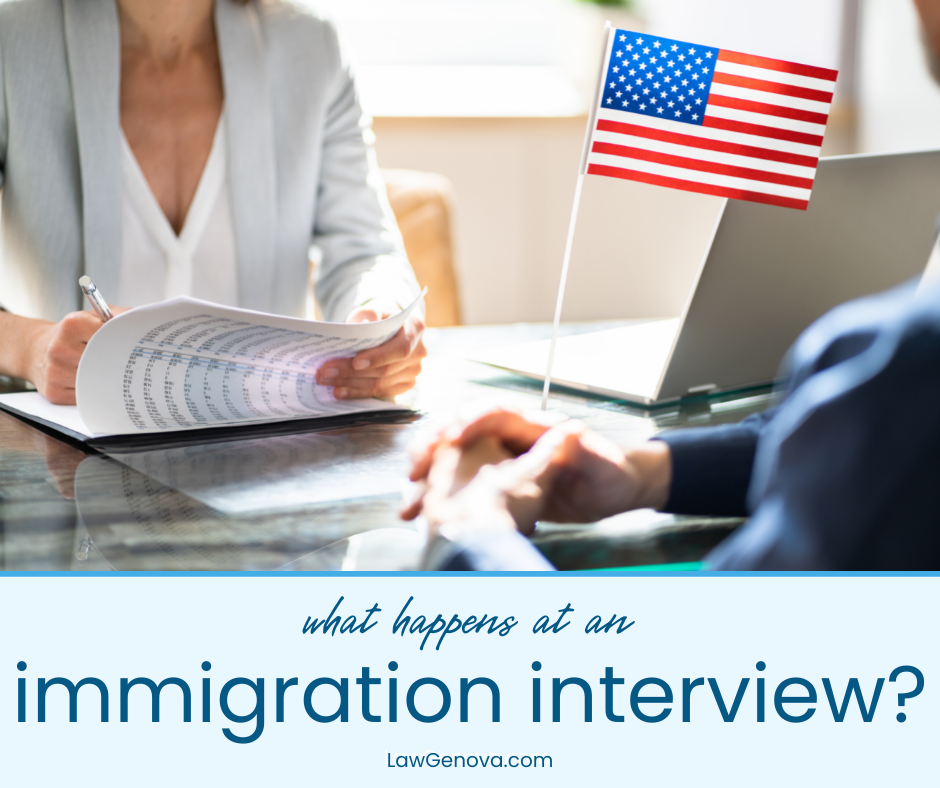
The importance of attending an immigration interview together is important for married couples. However, the absence of your spouse at your immigration interview can make it challenging. It’s a time to answer questions, provide evidence, and prove your worth for entering your chosen new home.
Picture this: you’ve been waiting for months, or years, to finally have your chance at the immigration interview. You’ve done everything you can to prepare and make sure that you have all your documents in order. You’re also certain that you can answer any questions that may come your way. And then, the interview day arrives, and your spouse doesn’t show up.
It’s a scenario that no one wants to imagine. But the truth is, it can happen. Maybe your spouse had a family emergency or needed to remember the interview. Whatever the reason, the fact remains that their absence could have serious consequences for your immigration application.
Importance of Spouse to Attend the Interview
Why is it so important for spouses to attend the interview together? Well, it demonstrates to the immigration authorities that you are a committed couple serious about living together in your new country. It helps you present a united front, that you are both invested and prepared to do what it takes to make it work.
More importantly, attending the interview together allows you to provide additional evidence of the genuineness of your relationship. Immigration authorities are on the lookout for fraudulent marriages. By attending the interview together, you can demonstrate that your marriage is the real deal. You can answer questions about your daily routines, shared experiences, and plans together.
But if your spouse doesn’t show up, what then? The consequences can be severe. If you are eventually granted entry into your new country, the shadow of doubt cast by your spouse’s absence may linger. Thereby making it more difficult to fully integrate into your new community.
Reasons for Spouse Not Attending Immigration Interview
In life, things sometimes go differently than planned. Despite your best efforts, circumstances beyond your control sometimes derail even the most carefully laid plans. This is especially true about the immigration process, where even the smallest hiccup can have serious consequences.
One such hiccup is when a spouse cannot attend the immigration interview. Here are a few reasons why this might happen.
1. Personal or Family Emergencies
Life can be unpredictable, and emergencies can arise at any time. Perhaps your spouse was suddenly called away to tend to a sick family member, or maybe a sudden medical issue required their immediate attention. In situations like these, attending an immigration interview may not be workable.
2. Communication Breakdown
Your spouse may have misunderstood the date or time of the interview, or there was a miscommunication about who was responsible for attending. This can happen even when both partners try to stay on top of things. Unfortunately, even a simple misunderstanding like this can seriously affect your immigration application.
3. Legal Issues
Legal issues may sometimes prevent a spouse from attending an immigration interview. Perhaps immigration authorities detained your spouse, or they are facing legal issues in their home country that make it impossible to travel. In such situations, seeking legal advice and doing everything possible to resolve the issue before the interview date is important.
4. Technical Difficulties
In today’s digital age, technology has made many things easier but has also introduced new challenges. Technical difficulties, such as problems with internet connectivity or video conferencing software, may prevent your spouse from attending the interview. This is particularly relevant in light of the pandemic, which has forced many interviews to take place virtually.
5. Forgetfulness or Irresponsibility
Finally, your spouse may need to remember the interview or take responsibility for attending. This can be particularly frustrating when you’ve put so much time and effort into preparing for the interview. Unfortunately, even the most committed couples can experience lapses in judgment or memory.
Furthermore, no matter why your spouse cannot attend the immigration interview, it’s important to take action as soon as possible. Contact the immigration authorities to explain the situation and provide any documentation that may be necessary to support your case. With the right approach, it may still be possible to salvage your application and move forward with your plans for a new life together.
Related: How Divorce Can Affect the Immigration Process
Consequences of a Spouse Not Attending the Interview
The consequences of a spouse not attending an immigration interview can be severe and long-lasting. The interview is a crucial part of the immigration process, and failure to attend can lead to many negative outcomes. Here are some potential consequences that couples should be aware of.
1. Delay in the Immigration Process
One of the most immediate consequences of a spouse not attending an immigration interview is a delay in the process. It can occur even if the couple has done everything else right in their application.
Without the spouse’s attendance, the immigration authorities may need extra documentation or interviews to verify the validity of the marriage. This can significantly prolong the process and sometimes may even lead to application denial.
2. Denial of Adjustment of Status Application
This is a potential consequence of a spouse not attending an immigration interview. When applying for adjustment of status, both spouses must attend the interview to prove the validity of their marriage and eligibility for permanent residency.
Suppose one spouse fails to attend the interview. In that case, USCIS may see it as a lack of cooperation or evidence that the marriage is not genuine. This can lead to the denial of the adjustment of status application.
3. Rescission of Adjustment Grant
If granted the adjustment of status application but later discovered that the marriage was invalid, the immigration authorities may rescind the grant. This means the spouse may have to leave the country and reapply for a visa outside the US. It can be a lengthy and stressful process and that causes significant disruption to the couple’s life plans.
4. Visa Petition Denial
If the spouse does not attend the immigration interview, it may prove that the couple is not living together. Such evidence can raise suspicions about the validity of the marriage. This can lead to a denial of the visa petition and, again, a significant delay in the process.
However, where there is no evidence to show that a couple is legally separated, their visa application will not be denied based on the fact that they do not live together.
Two cases are illustrative:
1. Matter of Mckee:
The matter held that where parties enter into a valid marriage and there’s nothing to show that they have since obtained a legal separation or dissolution of the marriage, a visa application will not be denied solely because the parties are not residing together.
2. Matter of Boromand:
It was also held that in the absence of evidence to support a finding of a fraudulent or sham marriage or
the legal dissolution of the marriage, the denial of an adjustment of status application, or the subsequent rescission of an adjustment grant cannot be based solely on the nonviability of the marriage at the time of the adjustment application.
Altogether, the consequences of a spouse not attending an immigration interview can be serious and far-reaching. Couples need to understand these consequences and take steps to avoid them. These steps are; rescheduling the interview or providing extra documentation to prove the validity of the marriage. By being proactive and prepared, couples can increase their chances of success in the immigration process.

Steps to Take If Spouse Cannot Attend the Immigration Interview
The prospect of an immigration interview without your spouse can be a daunting experience. But, there are steps you can take to mitigate the potential consequences and improve your chances of success. Here are steps to consider if your spouse cannot attend an immigration interview:
1. Contact the Immigration Authorities
When you realize your spouse cannot attend the interview, contact the relevant immigration authorities to inform them of the situation. Be prepared to provide a clear and honest explanation for your spouse’s absence, and ask if it is possible to reschedule the interview for later.
2. Provide Documentation
To support your explanation, provide the immigration authorities with relevant documentation. Medical certificates or travel itineraries, demonstrating why your spouse cannot attend the interview are relevant in this case. This helps build a case for rescheduling the interview and improves your chances of success.
3. Attend the Interview Yourself
If your spouse cannot attend the interview, you should still plan to attend. Be prepared to answer questions about your marriage and provide evidence to support its validity. Joint bank statements, leases, or utility bills offer great support.
4. Bring a Lawyer
If you have concerns about the immigration process, bringing a lawyer with you to the interview may be beneficial. A lawyer can provide advice on how to answer questions and help ensure your protection throughout the process.
5. Follow Up with the Immigration Authorities
After the interview, follow up with the immigration authorities to inquire about the status of your application. Be persistent but polite, and keep detailed records of your interactions.
6. Provide more evidence
If the immigration authorities have concerns about the validity of your marriage, you may need to provide more evidence. This could include photographs, affidavits from friends and family, or more documentation demonstrating your joint financial or household arrangements.
7. Consider appealing a denial.
If denied your application, you may have the option to appeal the decision. This process can be complex and time-consuming, but it may be worth pursuing if you believe your case was unfairly judged.
Also, facing an immigration interview without your spouse can be a challenging experience, but it is not an insurmountable obstacle. By following these steps, you can improve your chances of success and ensure the protection of your rights.
Stay calm, prepared, and seek professional advice if necessary. With the right approach, you can navigate the immigration process successfully and achieve your goals.
Preparing for a New Immigration Interview
If you have had a previous immigration interview where your spouse could not attend, you may need to prepare for a new interview. It can be stressful and time-consuming, but with the right approach, you can improve your chances of success. Here are some tips to help you prepare for a new immigration interview:
- Review your previous application: Before preparing for a new immigration interview, take some time to review your previous application. Identify any areas where your application was lacking, and address these issues in your new application. Providing more evidence of the validity of your marriage or addressing any concerns raised by the immigration authorities can help.
- Gather new evidence: Besides reviewing your previous application, you should also gather new evidence to support your case. This could be updated financial documents, photographs of your life together, or affidavits from friends and family. The more evidence you can provide to support the validity of your marriage, the better your chances of success.
- Practice your responses: It’s important to prepare for the questions that the USCIS will ask during the interview. Practice your responses to common interview questions with your spouse.
Also ensure you clearly understand each other’s backgrounds, interests, and daily routines. This can help to prove the authenticity of your marriage and improve your chances of success.
- Consider hiring a lawyer: If you have concerns about the immigration process or are unsure how to prepare for a new interview, hiring a lawyer might help. A lawyer can provide expert advice on approaching the interview and help ensure the protection of your rights throughout the process.
- Be honest and transparent: During the interview, it’s important to be honest, and transparent with the immigration authorities. Answer questions truthfully and provide evidence to support your responses. Avoid embellishing or exaggerating your relationship, which can raise suspicions and harm your case.
- Stay calm and focused: Finally, it’s important to stay calm and focused during the interview. Remember that the immigration authorities are trying to ensure the validity of your marriage and that a positive outcome is possible with the right preparation and approach. Take deep breaths, stay focused on your responses, and avoid getting emotional or defensive.
Subsequently, preparing for a new immigration interview can be challenging, but you need to if you want to succeed in your application. Following these tips, gathering all necessary documentation, and staying focused and honest during the interview can improve your chances of success.
Nevertheless, remember the court decision in the Matter of Boromand, interim decision 2811 (BIA 1980), which states that the denial of an adjustment of status application cannot be based solely on the nonviability of the marriage at the time of the adjustment application, provided there is no evidence of fraudulent marriage or legal dissolution of the marriage.
Therefore, you can’t be denied an application of status solely because of your spouses absence at your interview. With the right approach and knowledge, you can successfully navigate the immigration process and achieve your goals.
Conclusion
Communication and preparation are key to a successful immigration interview. An experienced lawyer can guide and support you throughout the process and help protect your rights. By communicating openly and honestly with each other, gathering as much evidence as possible, and seeking legal advice when necessary, you can improve your chances of a positive outcome and start your new life together in the United States.
Both partners must attend the immigration interview together to prove their marriage’s validity and ensure the best possible outcome. However, you can take some steps to mitigate the negative consequences when a spouse cannot attend the interview.
Do You Need to Talk to an Immigration Attorney?
Contact an experienced attorney through us. To schedule a consultation, dial 914-481-8822. Our expert attorney will give you more information about the eligibility requirements and application process of your military parol in place, and offer the legal guidance you need.